At the Eastern Edge of Japan
Ochiishi Misaki, Nemuro, Hokkaido
Today, I drove from Kushiro toward Nemuro, a journey of about two hours each way. As on the previous day, the morning was covered in thick fog, and I worried that I might not be able to see anything at all. But as I approached Nemuro, the fog gradually began to lift, and eventually the sky opened into a clear blue.
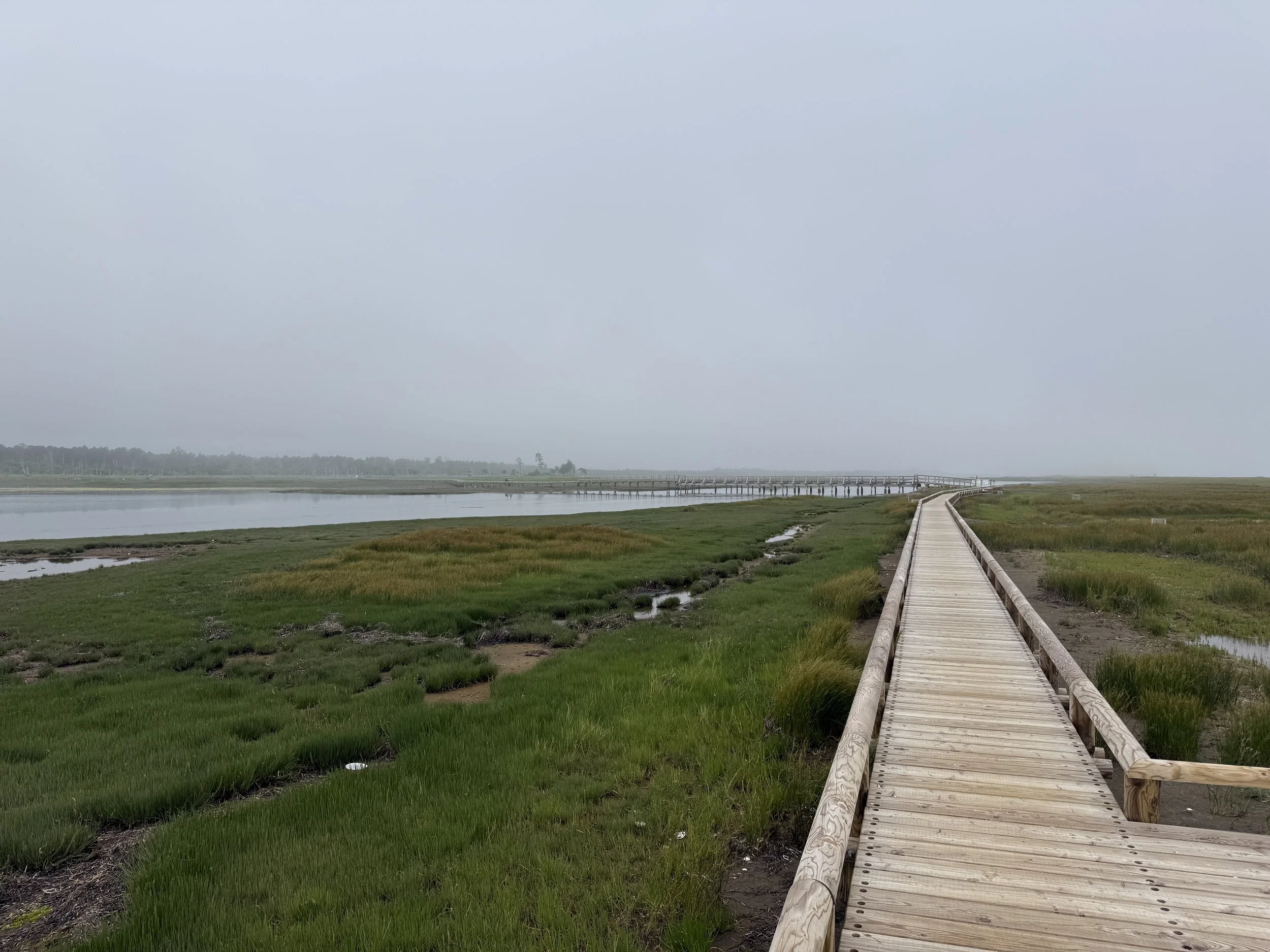
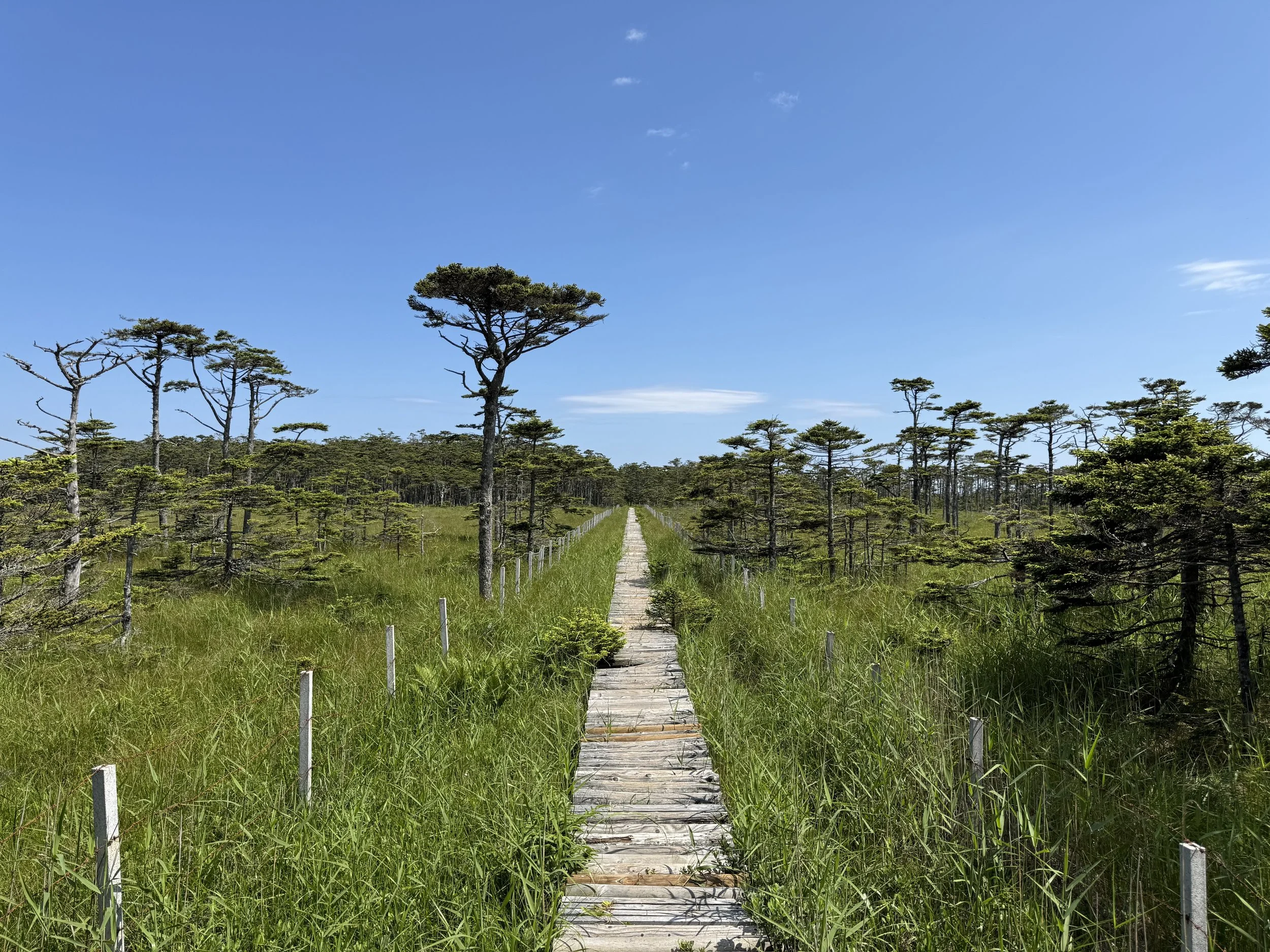
My first stop was Shunkunitai, a coastal wetland. I know very little about birds, but apparently it is well known among birdwatchers from both Japan and abroad. As it was a weekday, there were few visitors, and I was able to walk slowly along the quiet wooden boardwalk.
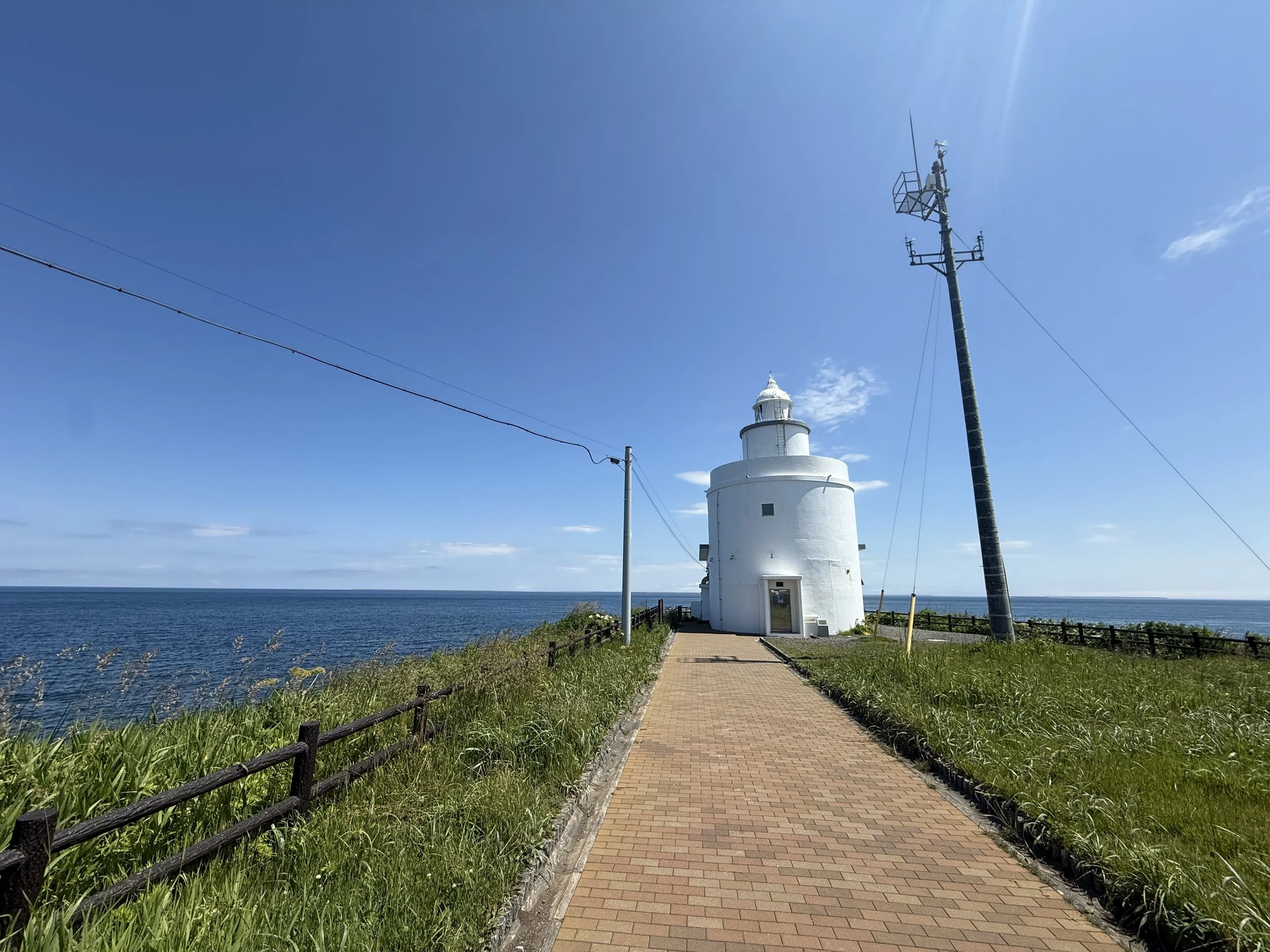
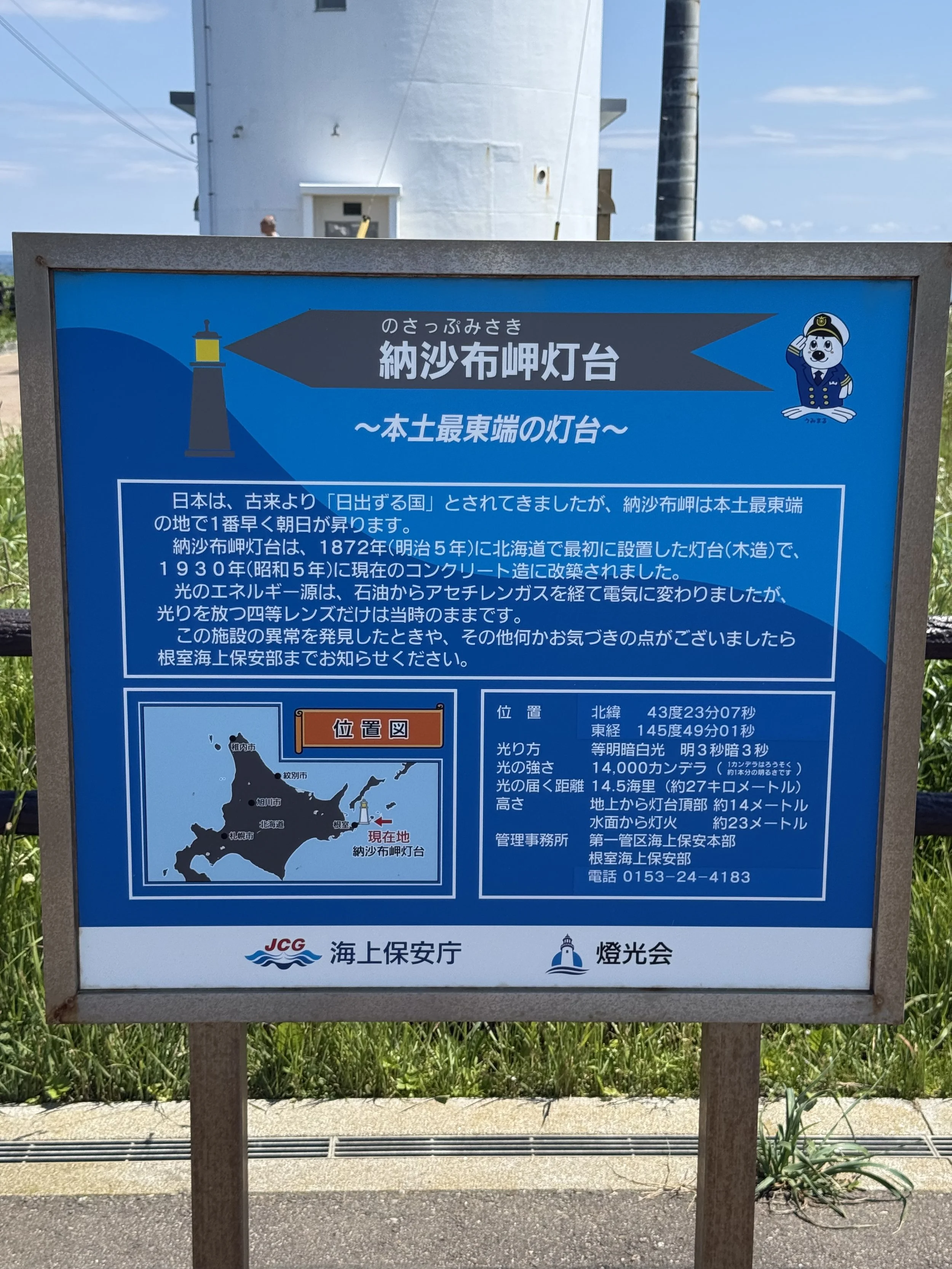
Next, I headed to Cape Nosappu. There stands the Cape Nosappu Lighthouse, said to be the easternmost lighthouse on mainland Japan. It was small, white, and gently rounded, with a surprisingly charming appearance.
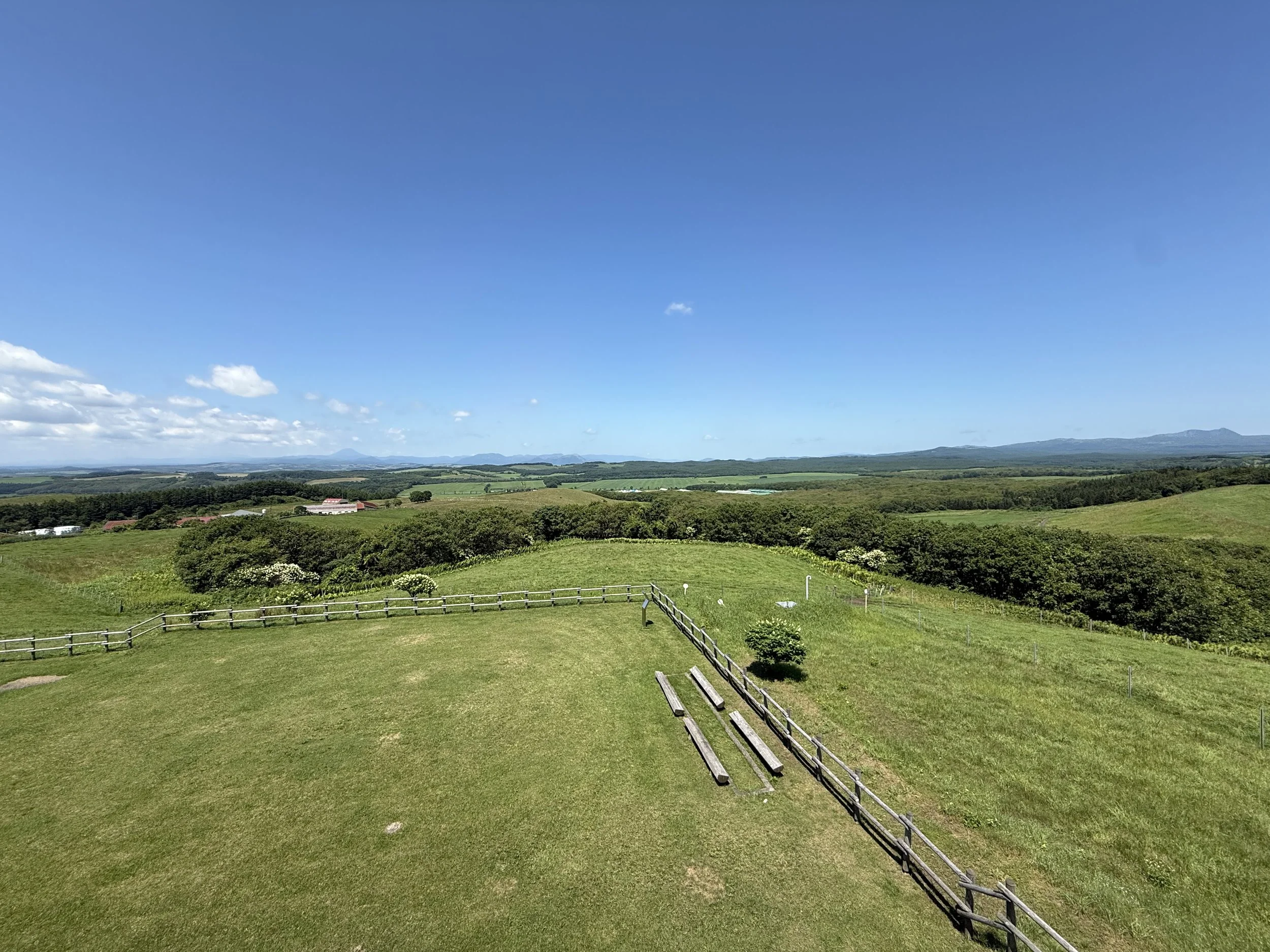
Across the sea, the islands known in Japan as the Northern Territories were visible. Looking toward the islands where Japanese people once lived left me with complicated feelings. I also visited the nearby museum, where photographs and documents made the history feel less like something from a textbook and more like a reality that still remains in this place.
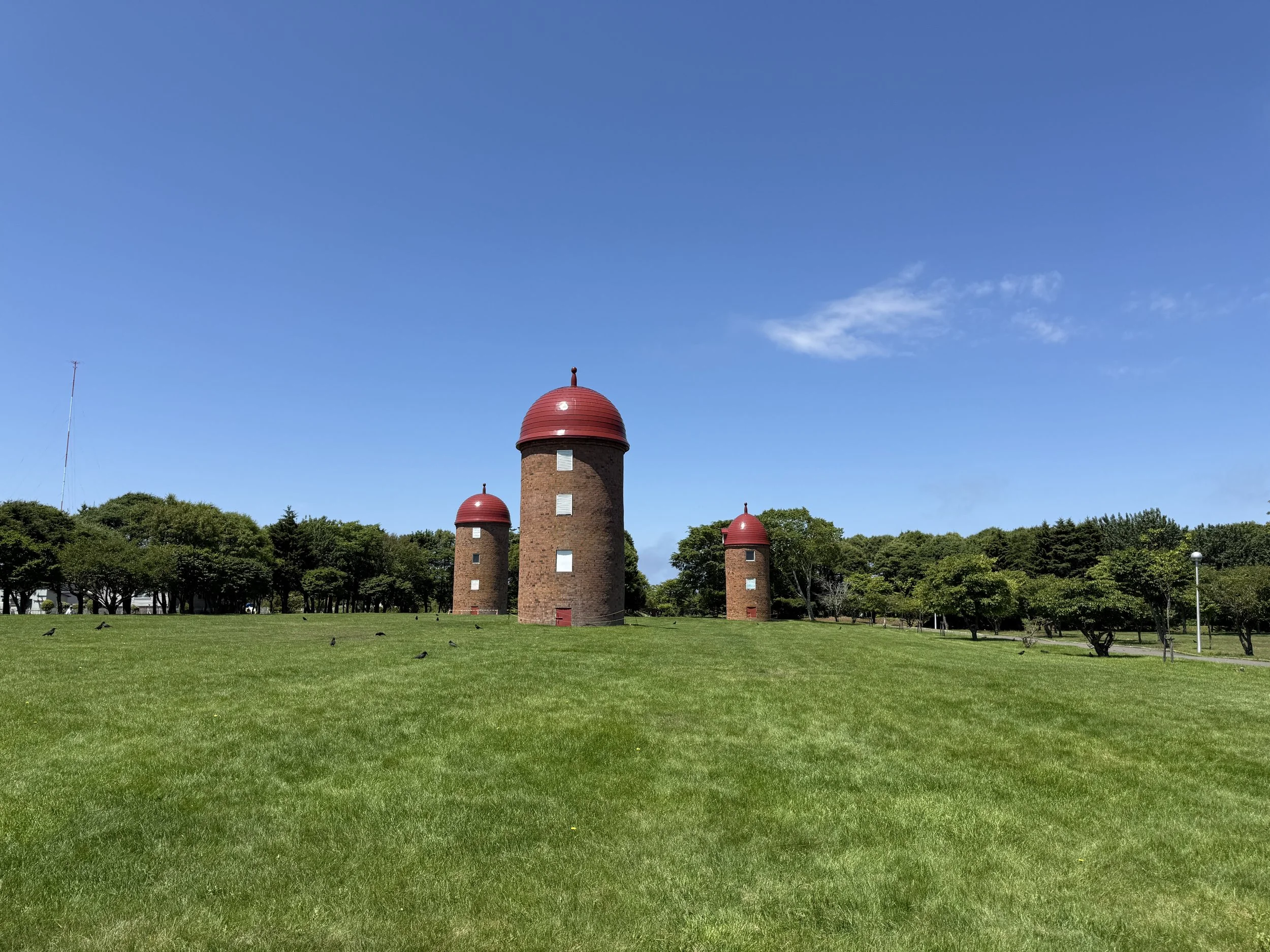
Afterward, I drove to Meiji Park in central Nemuro. Three brick silos with red roofs stood in the middle of a wide green lawn. Against the blue sky and bright grass, they formed a spacious landscape that felt unmistakably Hokkaido.
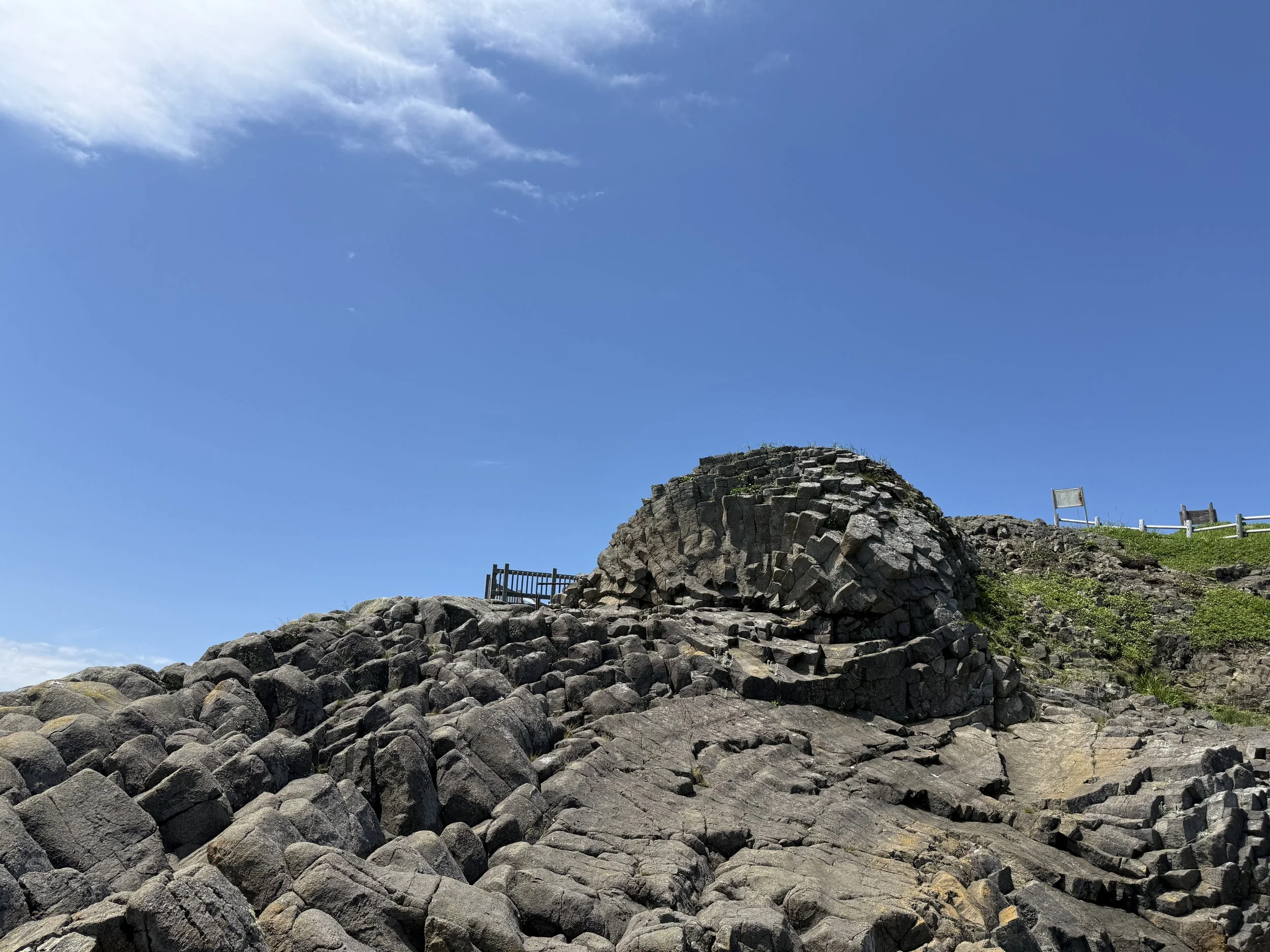
My final destination was Cape Ochiishi. From the parking area, it takes about twenty minutes to reach the cape along a narrow wooden boardwalk. The path passes through the forest, and when I emerged from the trees, an enormous grassland suddenly opened before me.
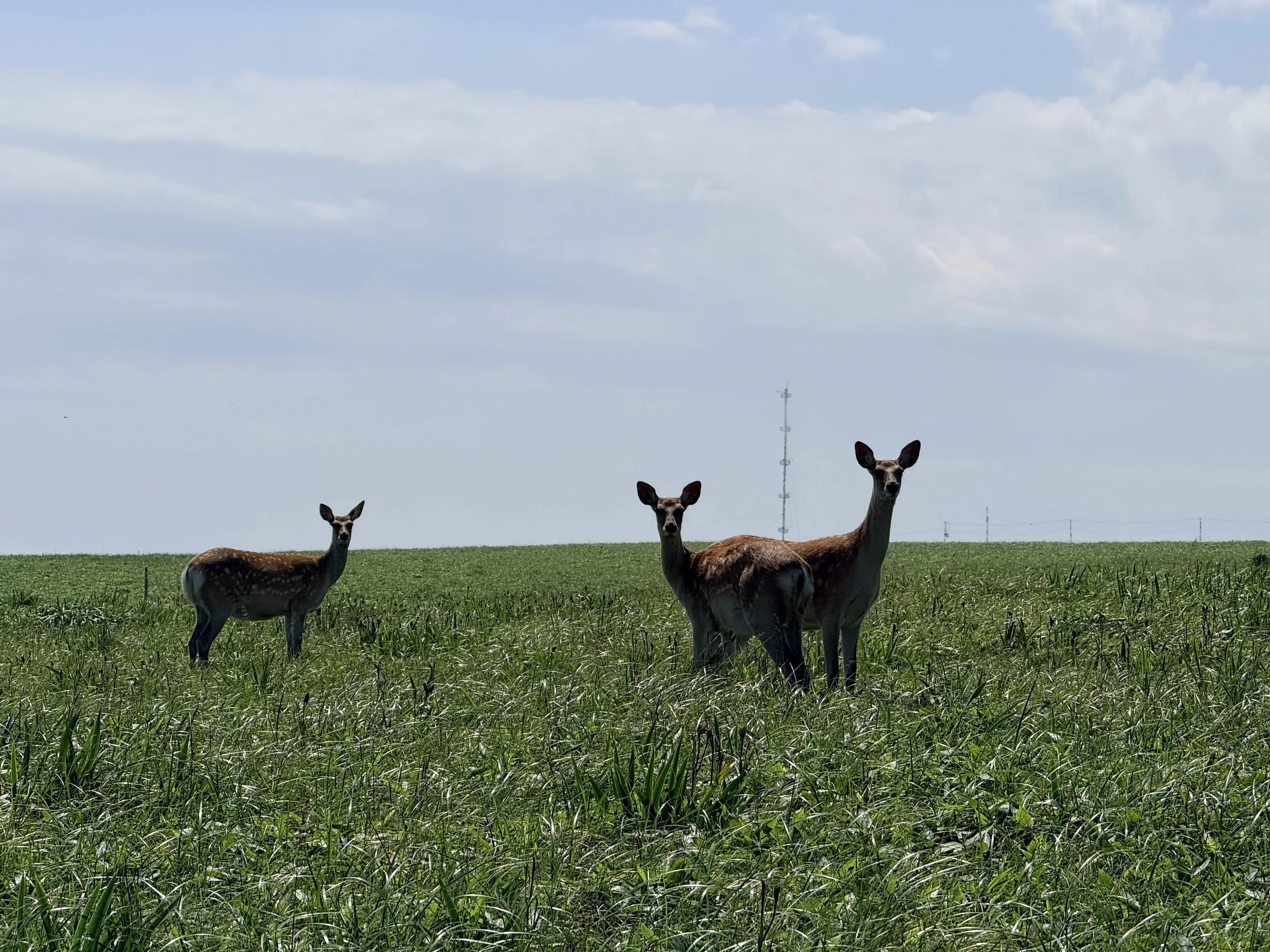
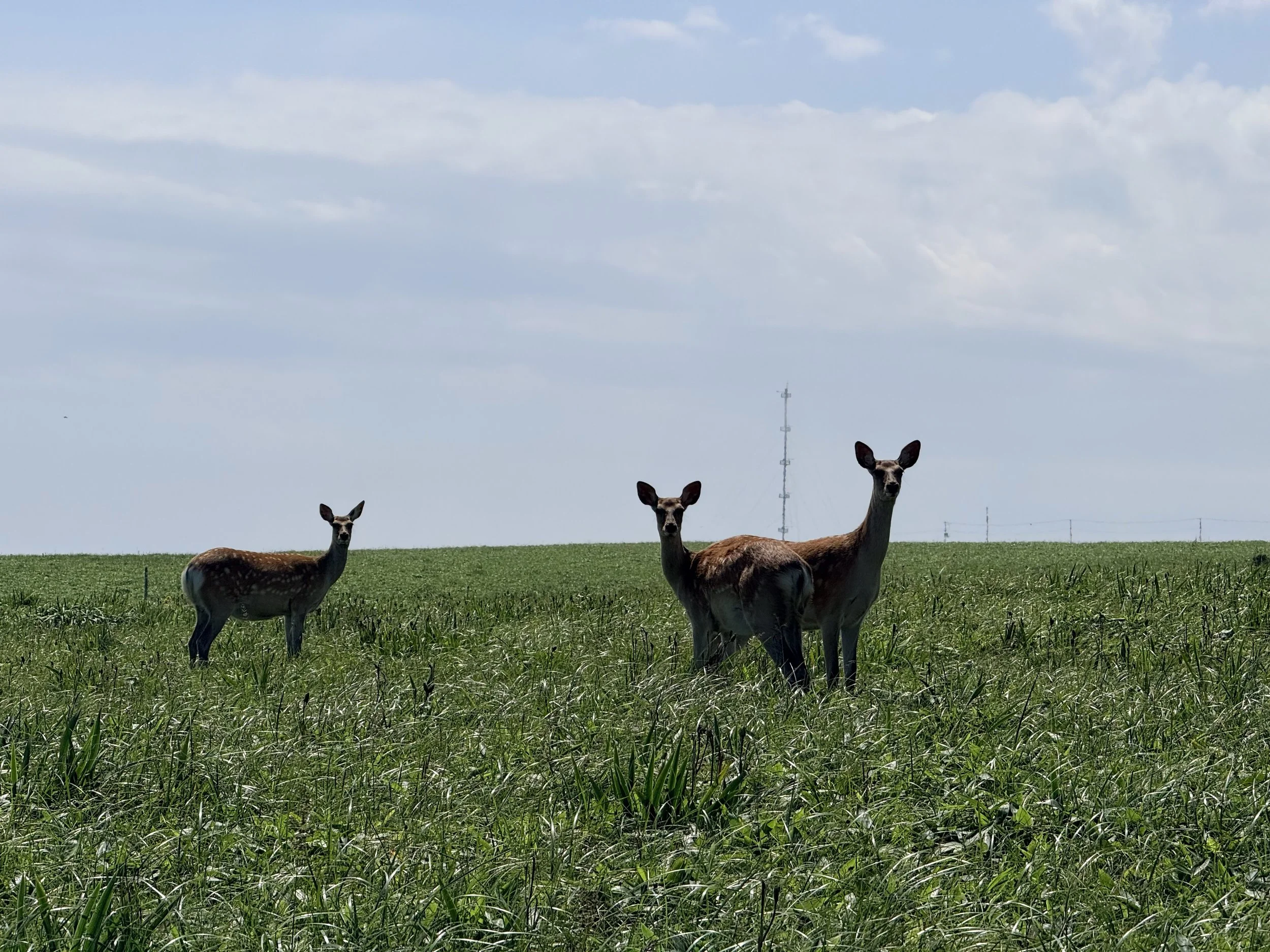
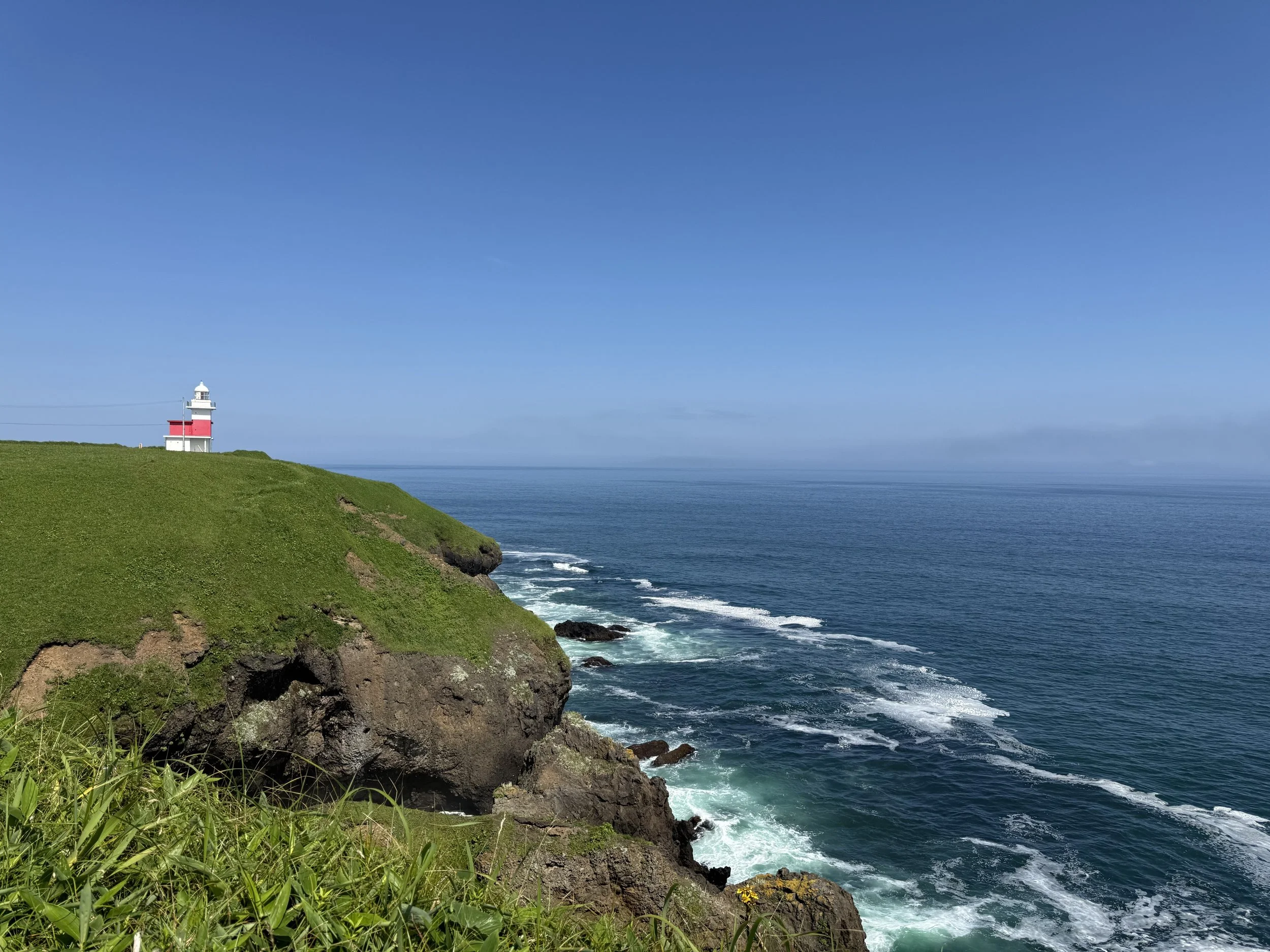
Beyond the grass stood a red-and-white lighthouse. A little farther away, deer were freely grazing. There was no one else around.
I lay down in the grass and spent about thirty minutes doing nothing. The wind felt pleasant, and I watched the deer quietly feeding. Still, being alone in such an empty grassland made me slightly nervous about the possibility of encountering a bear, especially after seeing several bear-sighting notices around the area. I did not stay for very long, but even that brief period of complete solitude felt deeply luxurious.
The grassland at Cape Ochiishi was the most memorable place I visited that day. I did nothing special. I simply lay in the grass and looked at the sky, the lighthouse, and the deer. Even so, it was the quietest and most peaceful moment of the entire day.
Planning a Visit to Nemuro?
For practical information about Cape Nosappu, local footpaths, accommodation, restaurants, transportation, and other places to explore, visit the English-language website of the Nemuro Tourism Association. It is a useful resource, especially for international visitors planning a trip to this remote part of eastern Hokkaido.
NEMURO — Nemuro Tourism Association
https://nemuro-hokkaido.com
A Fox in the Mist
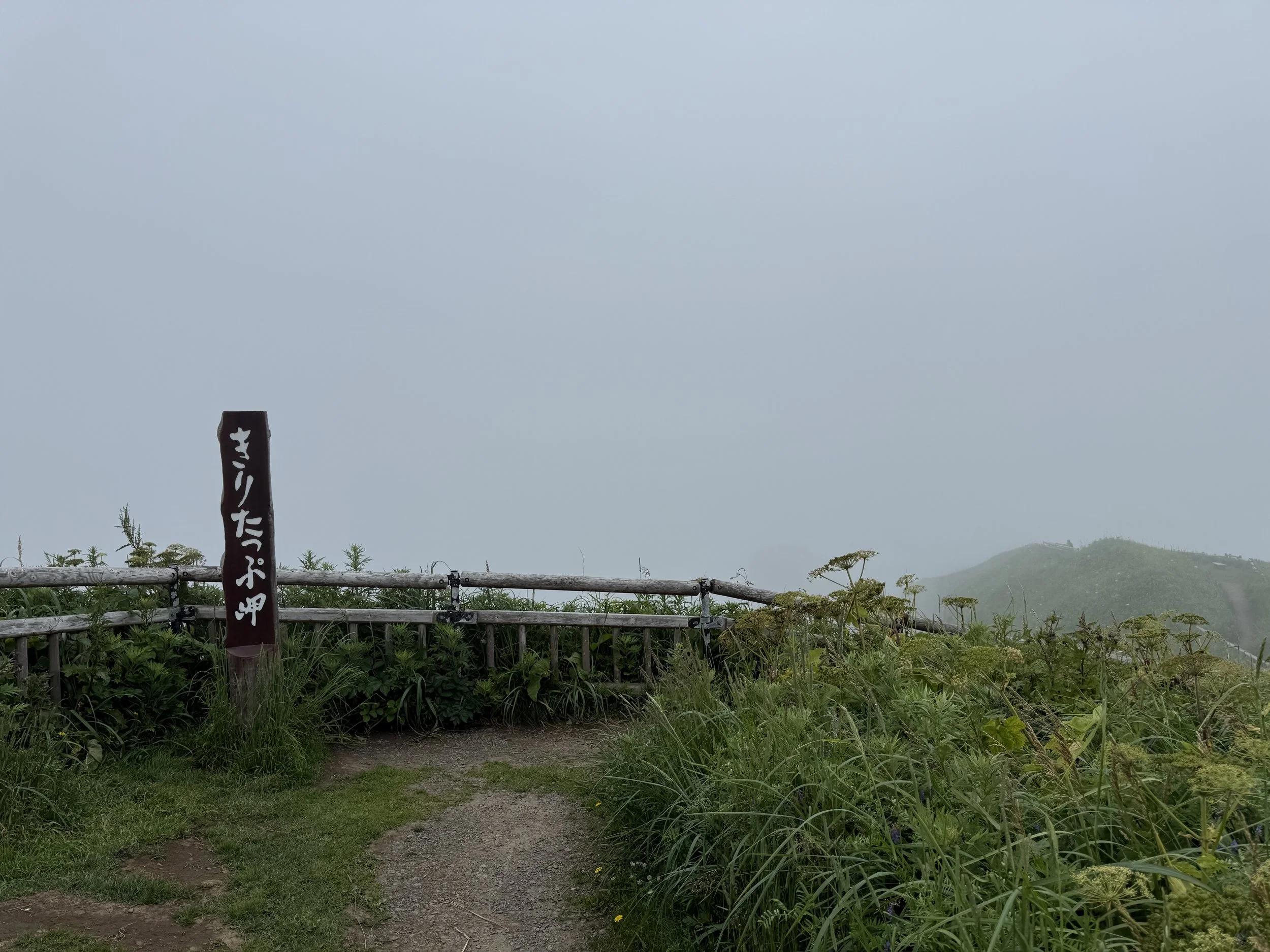
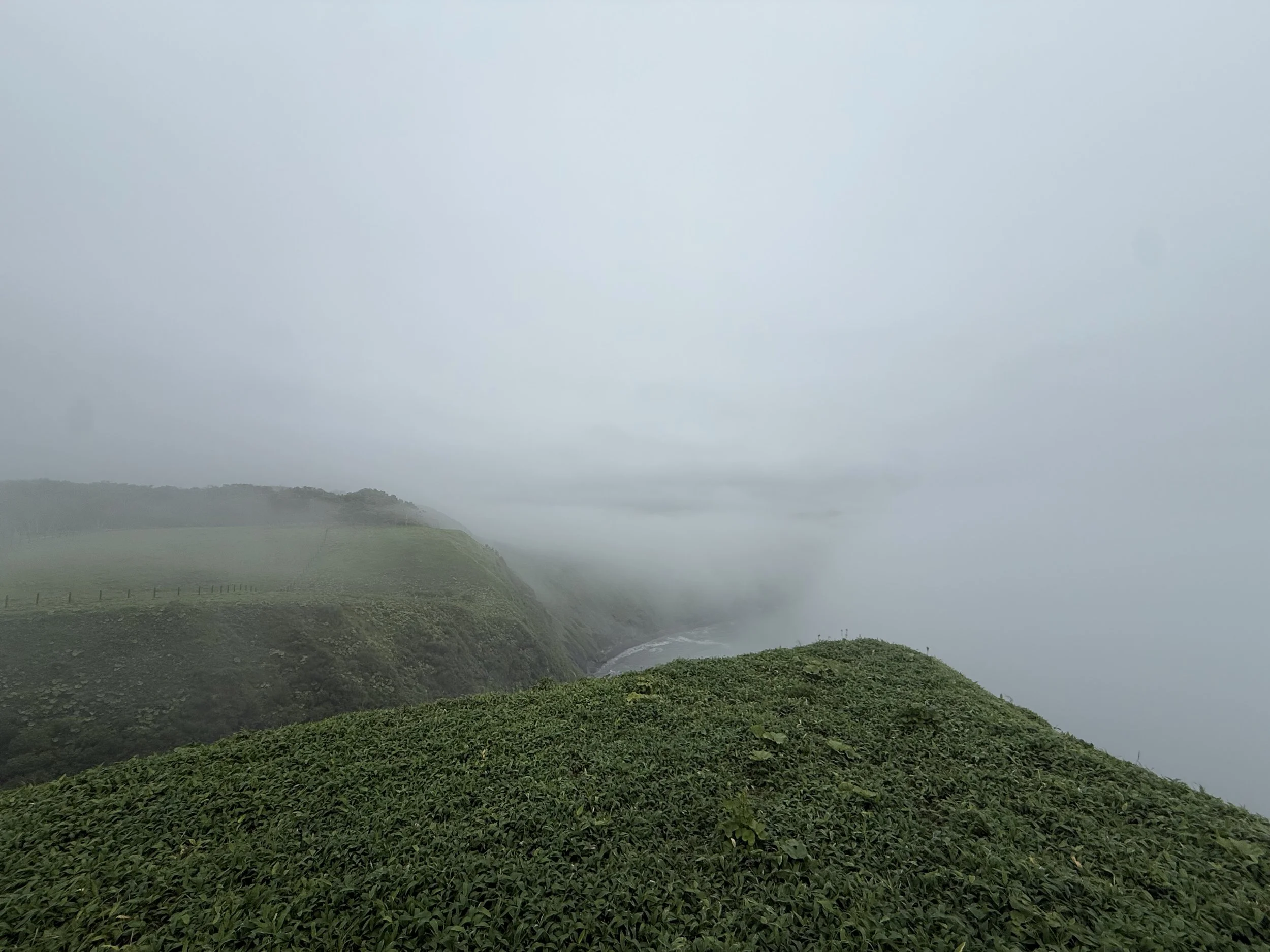
Today, I took another short drive through the countryside near Kushiro. The weather was disappointing. I visited several capes along the Pacific coast, but thick fog had swallowed the ocean and the horizon. Standing at the viewpoints, there was almost nothing to see except white mist drifting in from the sea.
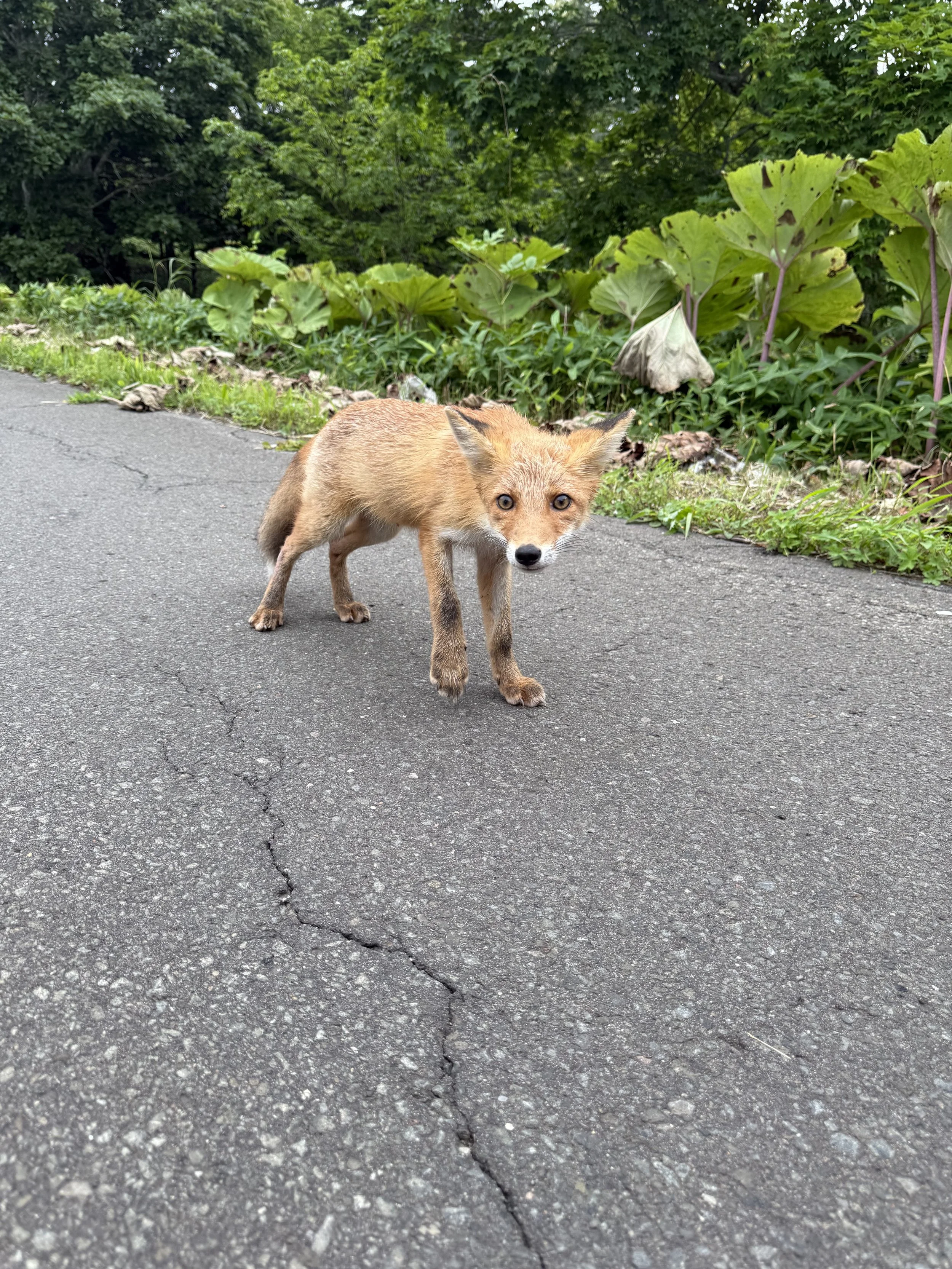
On my way back, something unexpected appeared. A young red fox was standing in the middle of the road. I stopped the car, expecting it to run away. Instead, it slowly walked toward me. It looked surprisingly calm, almost curious. The fox seemed young and rather thin, and for a brief moment we simply looked at each other.
I wondered if it had become accustomed to people. Perhaps tourists had fed it before. That thought made me uneasy. Feeding wild animals may seem kind, but it often does more harm than good. Once they lose their natural fear of people and cars, they become far more vulnerable to accidents. As I watched the fox standing on the road, I couldn’t help but wonder whether it would survive another season.
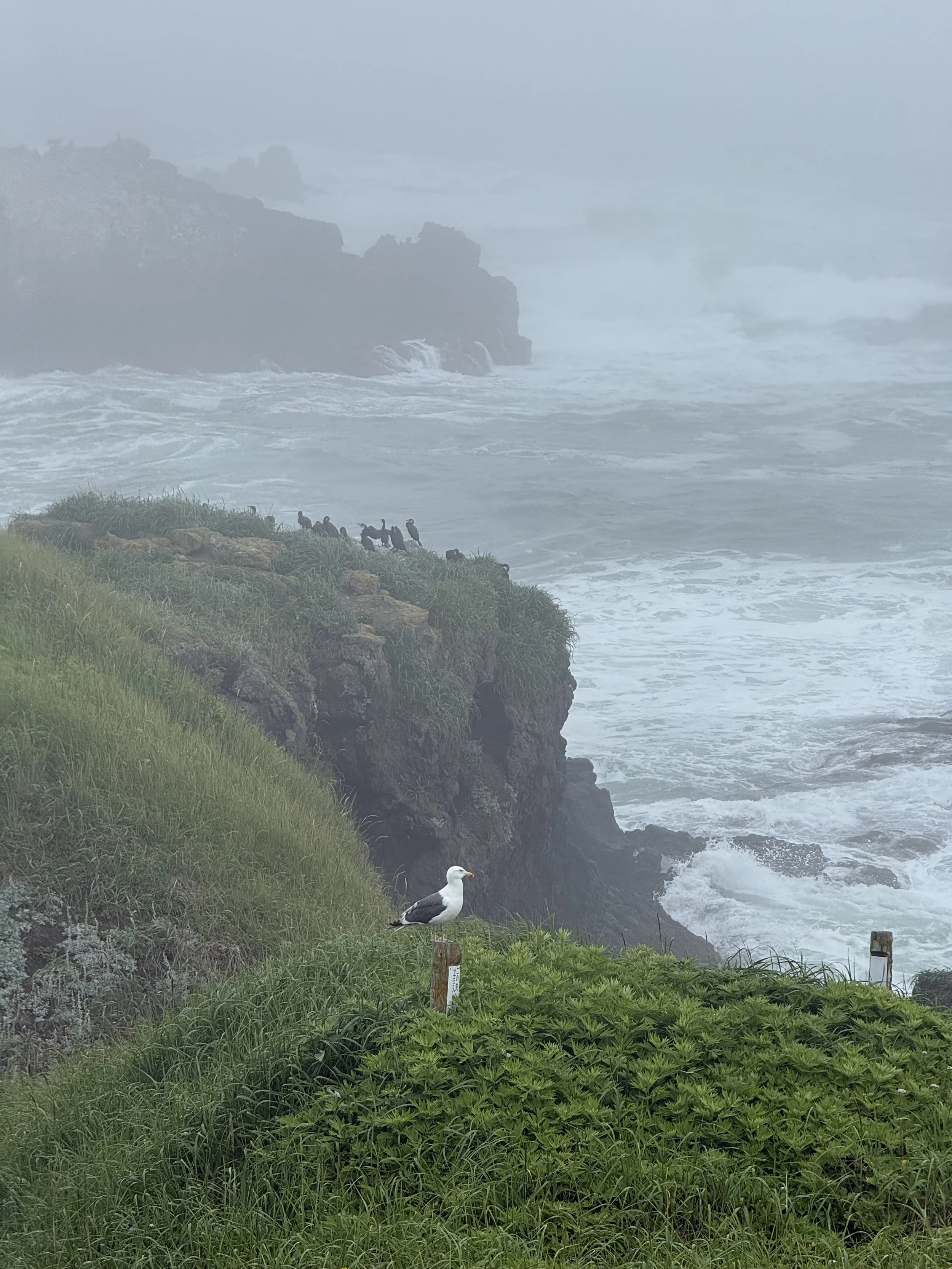
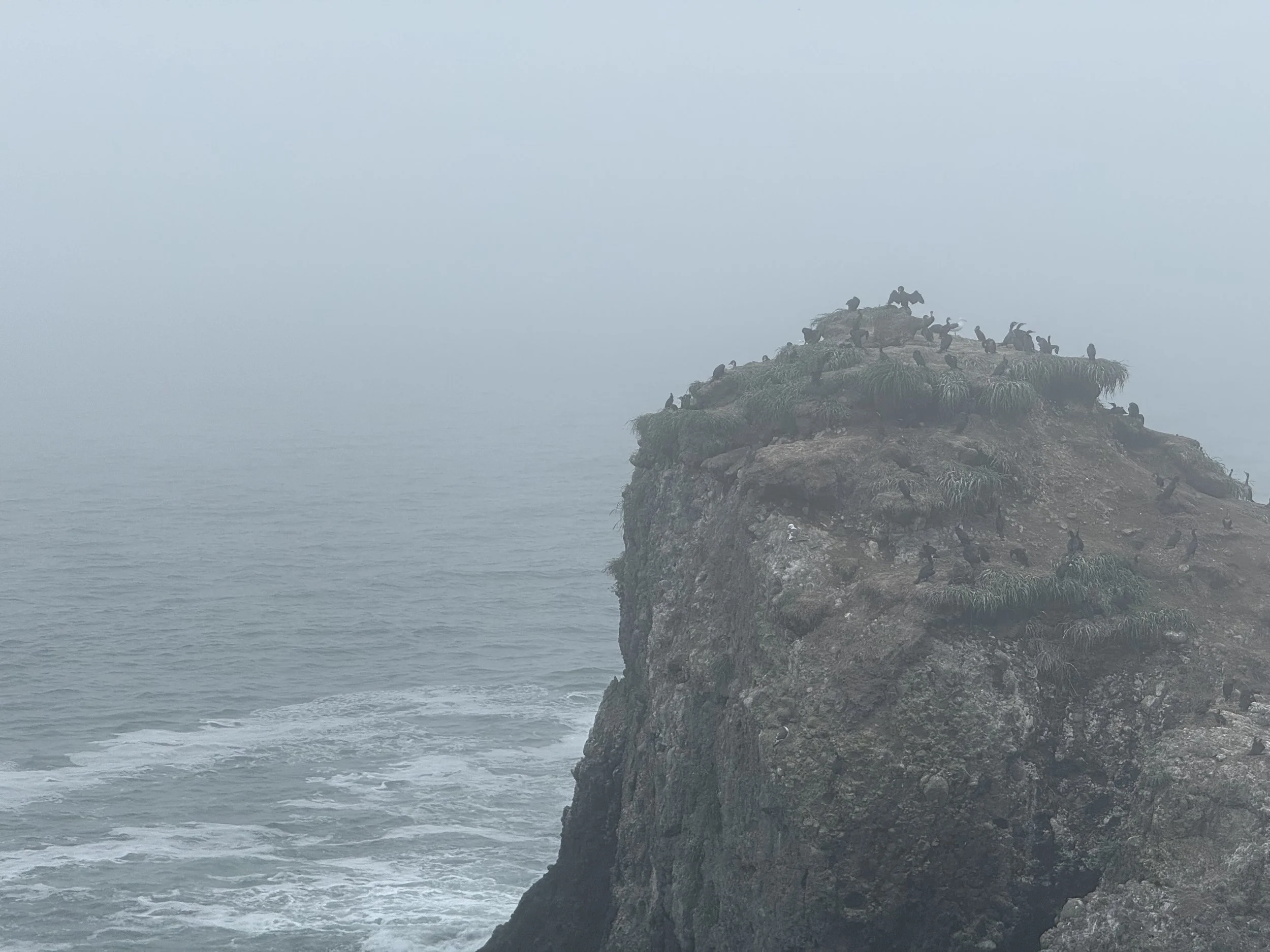
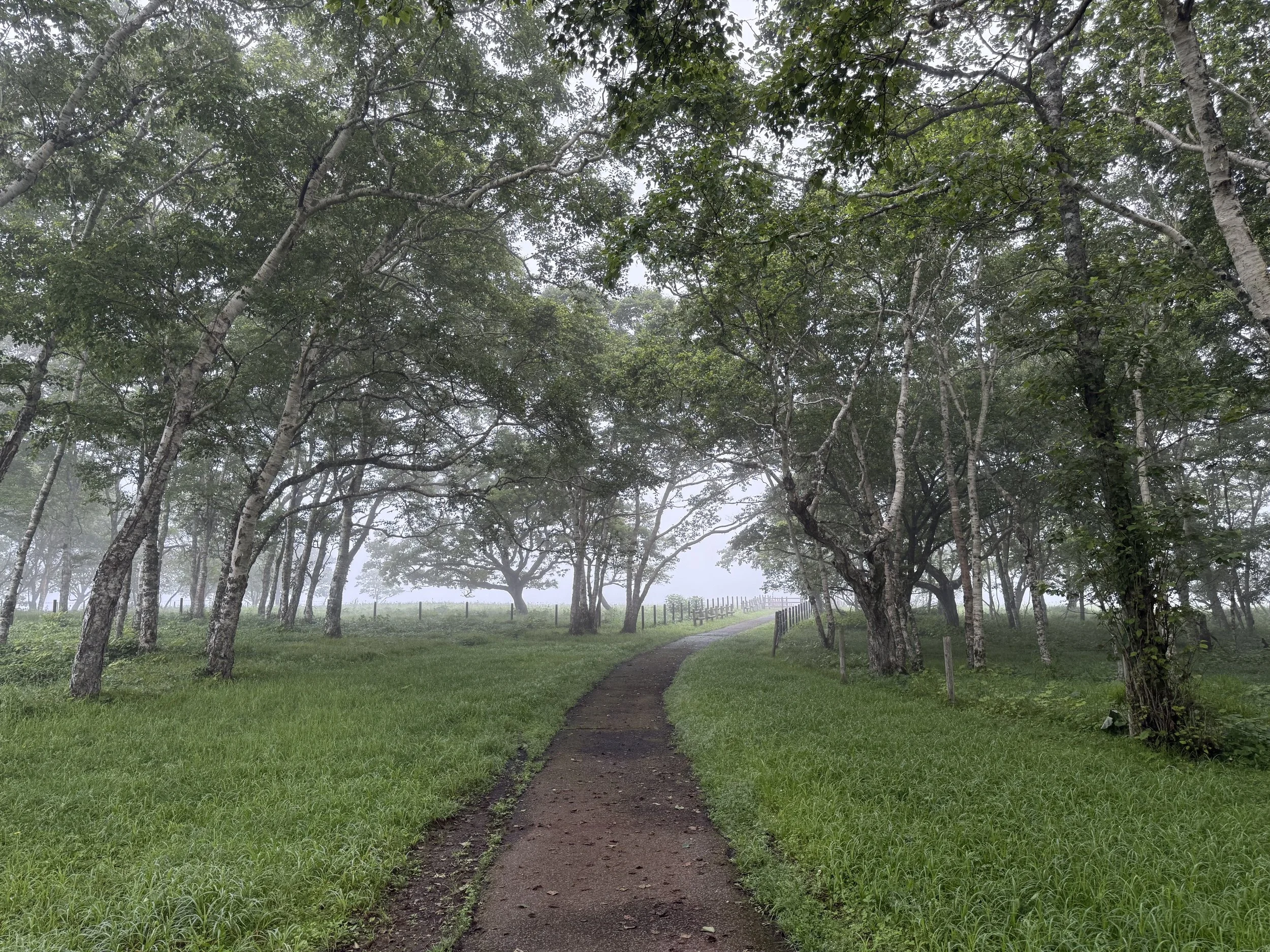
The landscapes I had hoped to photograph remained hidden behind the fog today. Yet I walked through silent forests, watched seabirds gathering on rocky cliffs, and met a wild fox at close range. Sometimes, travel is not about finding the views you planned to see. It is about being surprised by something you never expected. Today, the fog hid the scenery—but it revealed something else.
Hello from Kushiro, Hokkaido
I am currently spending a few days in Kushiro, Hokkaido, for medical work.
Although it is a work-related trip, my role is to support the local holiday and nighttime emergency medical center, so I only work in the evenings. During the daytime, I am relatively free, which has given me the opportunity to travel a little farther and explore the surrounding area.
It is late July. In Kyoto, the temperature has been exceeding 35 degrees Celsius, but Kushiro feels remarkably comfortable compared with the Kansai region. Even when I go outside, I rarely break into a sweat, and simply walking in the breeze feels pleasant.
The city still has many old buildings and signs, giving it a faint atmosphere of the Showa era. Rather than being a lively tourist destination, Kushiro has a quietness that feels slightly faded or worn. Strangely, that atmosphere feels fresh and appealing to me.
Perhaps because the sea is so close, the cries of seagulls can be heard throughout the city. The smell of the ocean, the slightly weathered streets, and the voices of seagulls flying overhead all seem to overlap, creating a sense that time flows differently here in Kushiro.
I do not know much about the history of this region. However, as I walked around the city, I learned that Akira Ifukube, the composer best known for the music of the film Godzilla, and the poet Takuboku Ishikawa both had connections to Kushiro. Learning about the history of a place after experiencing its landscape somehow makes the streets appear slightly different.
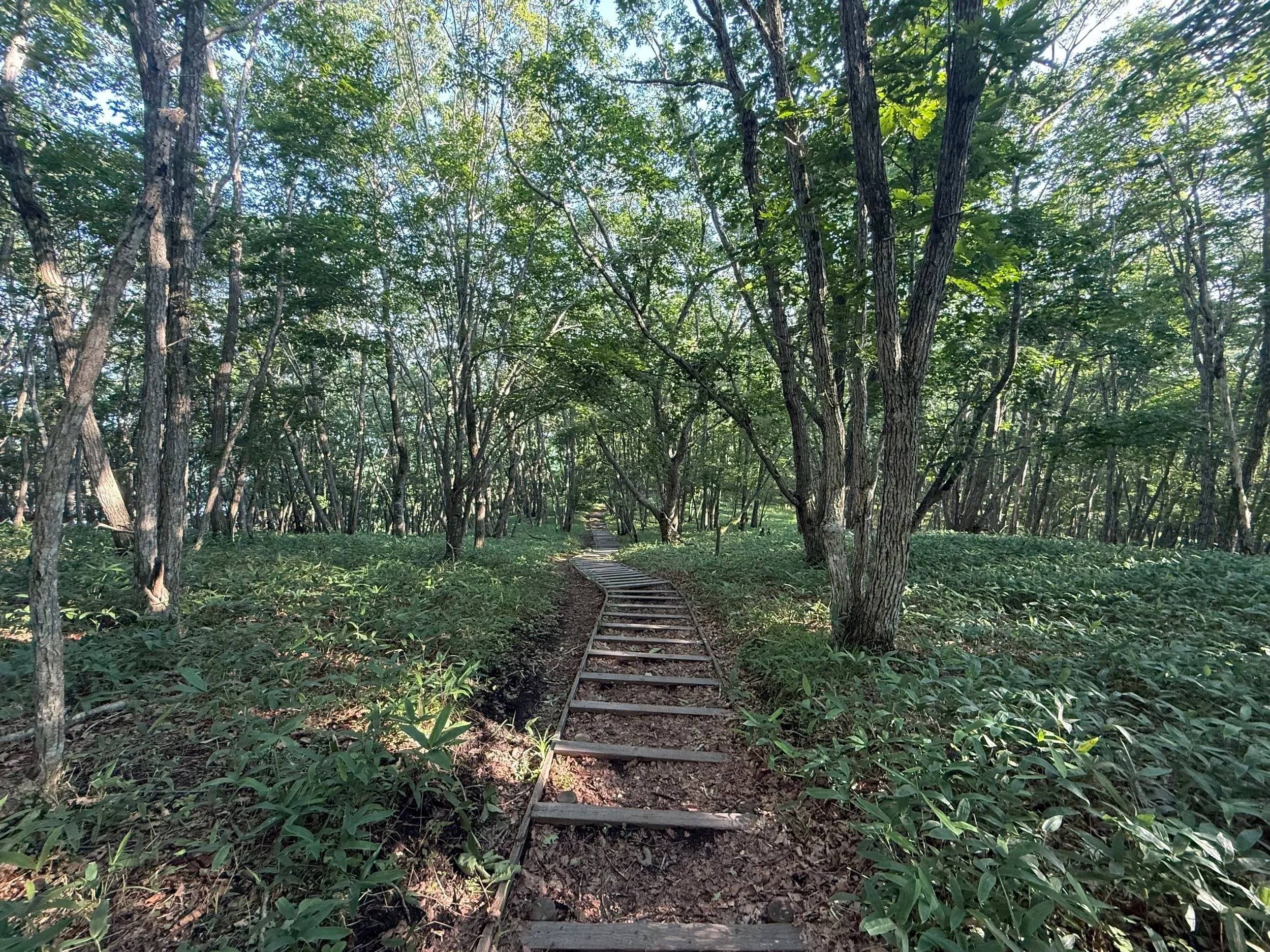
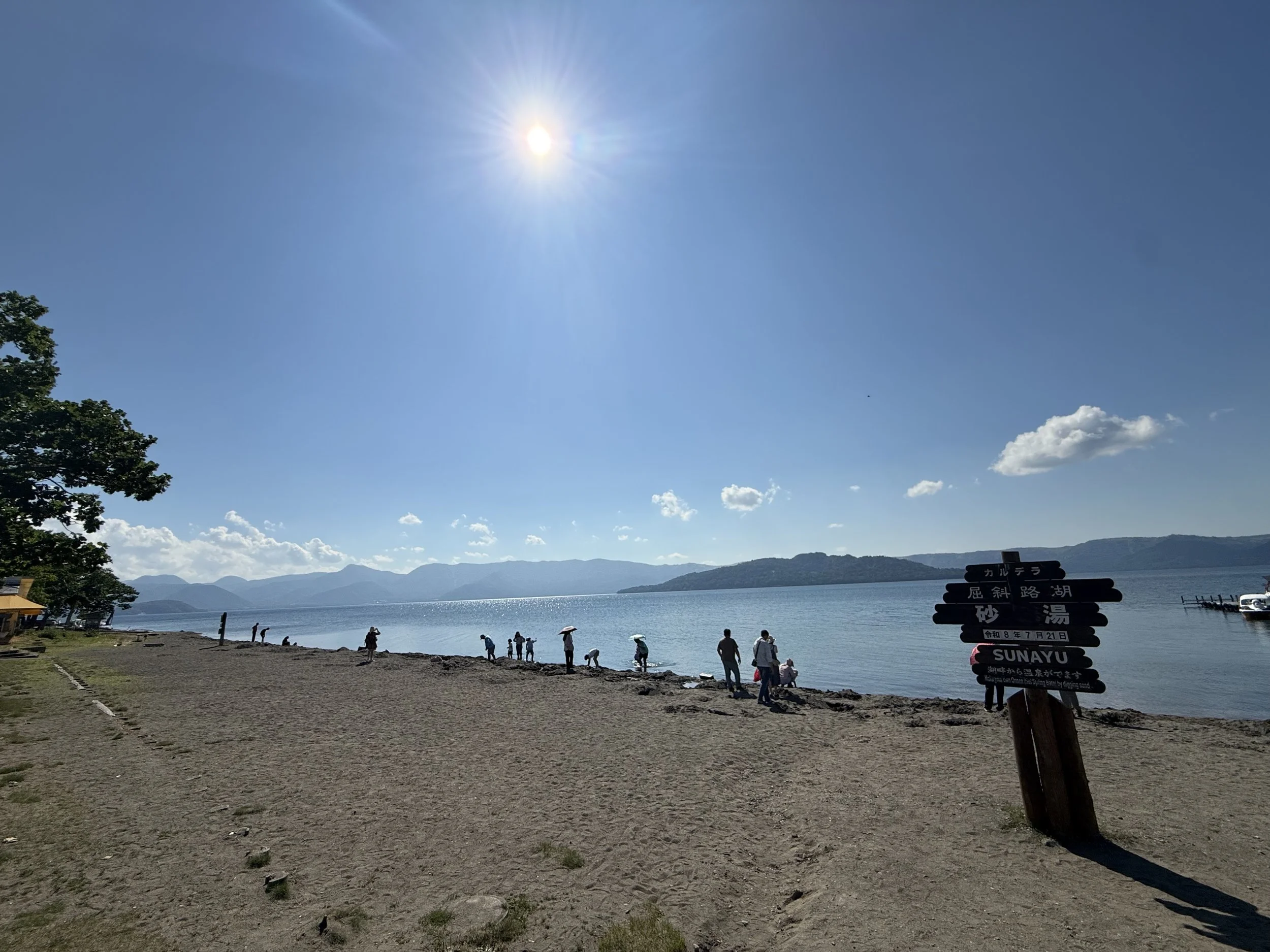
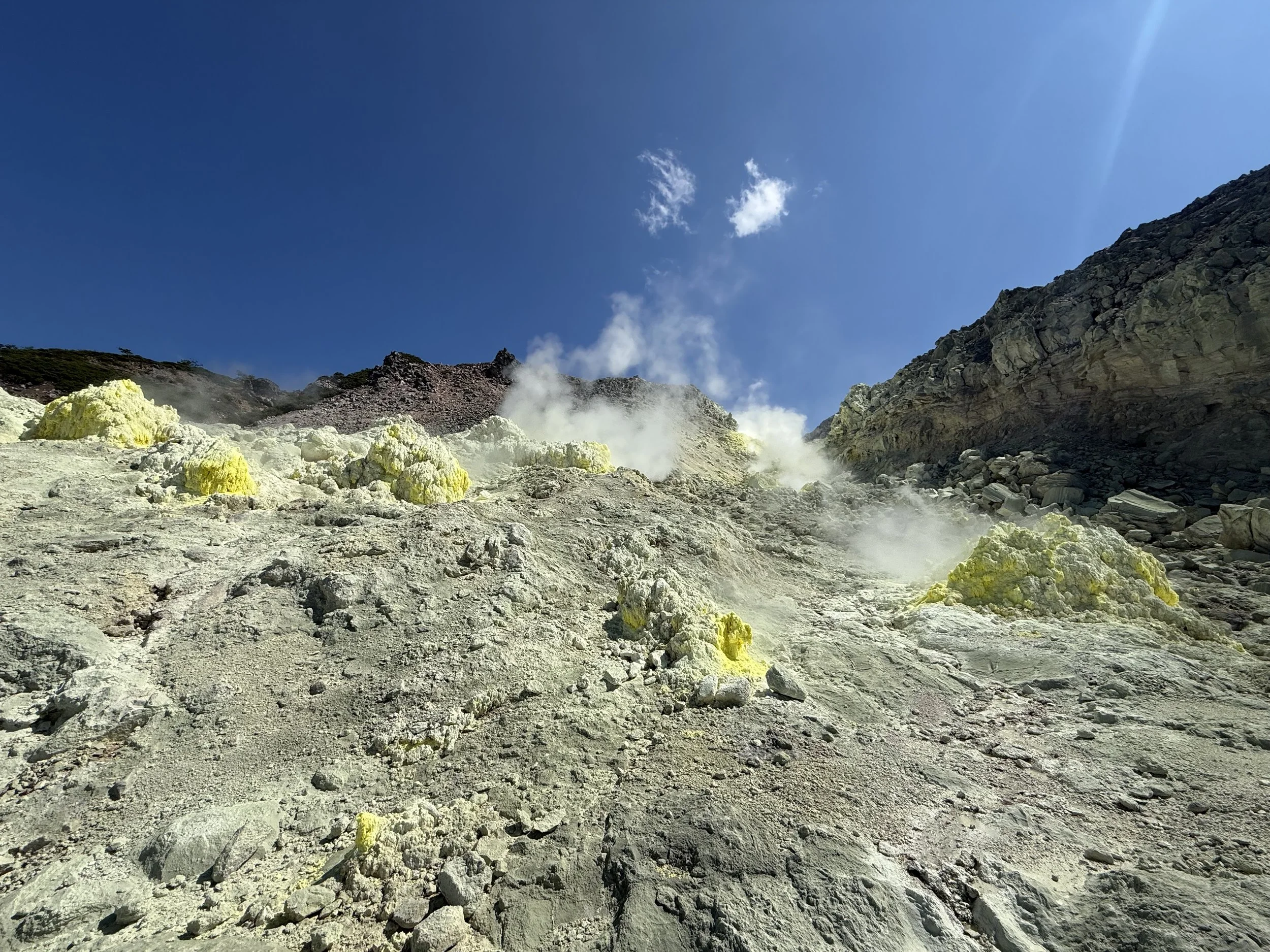
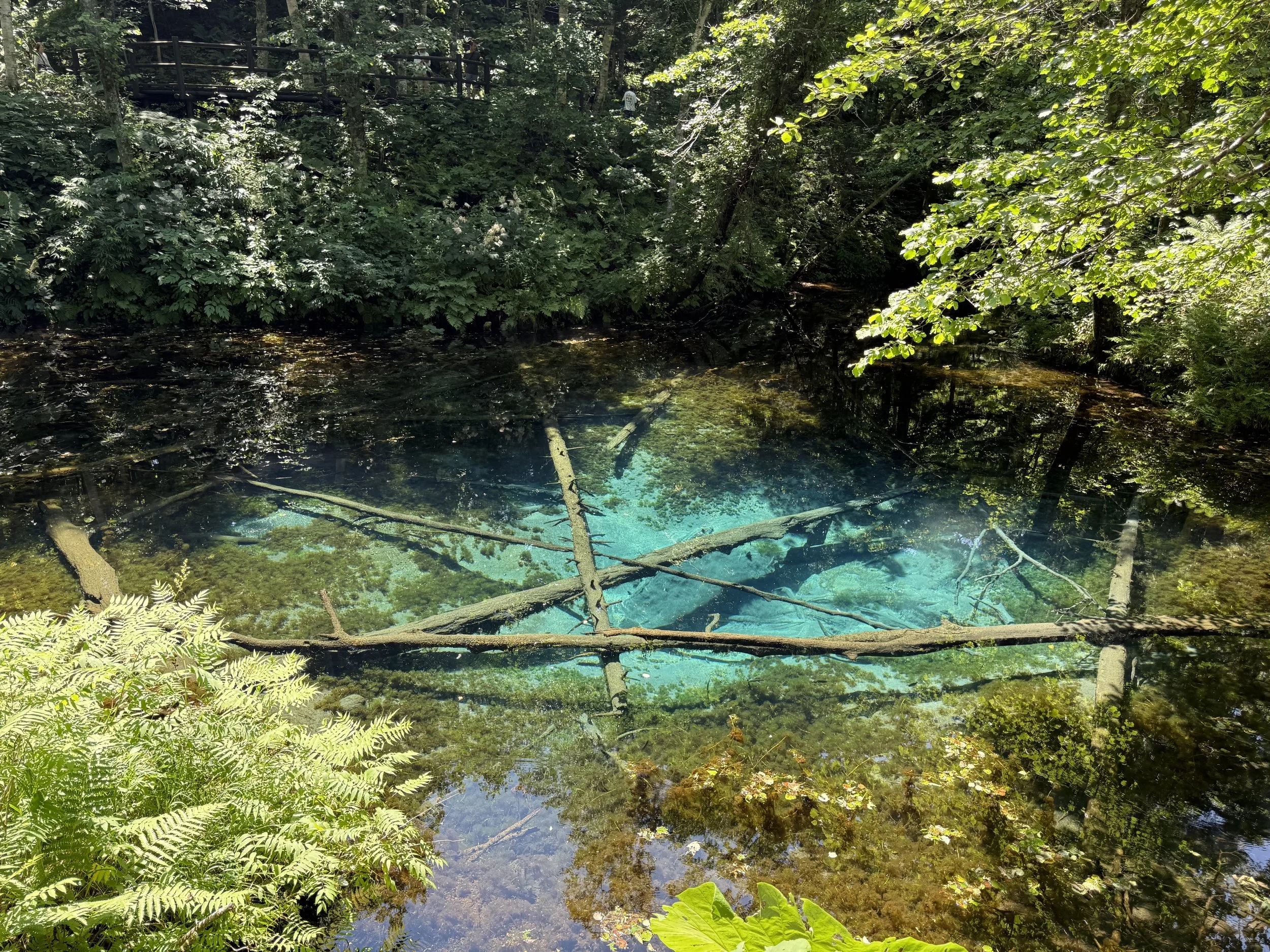
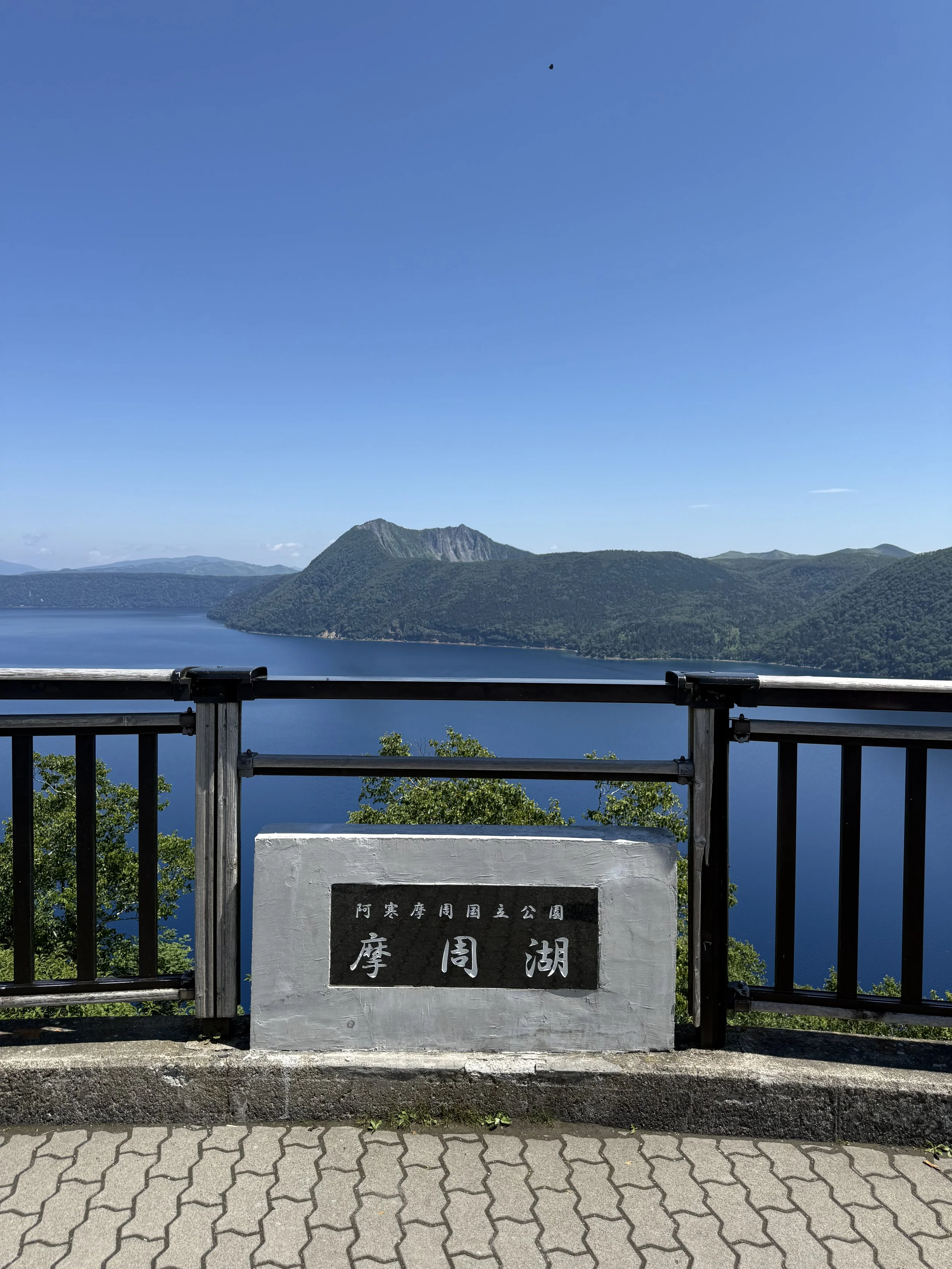
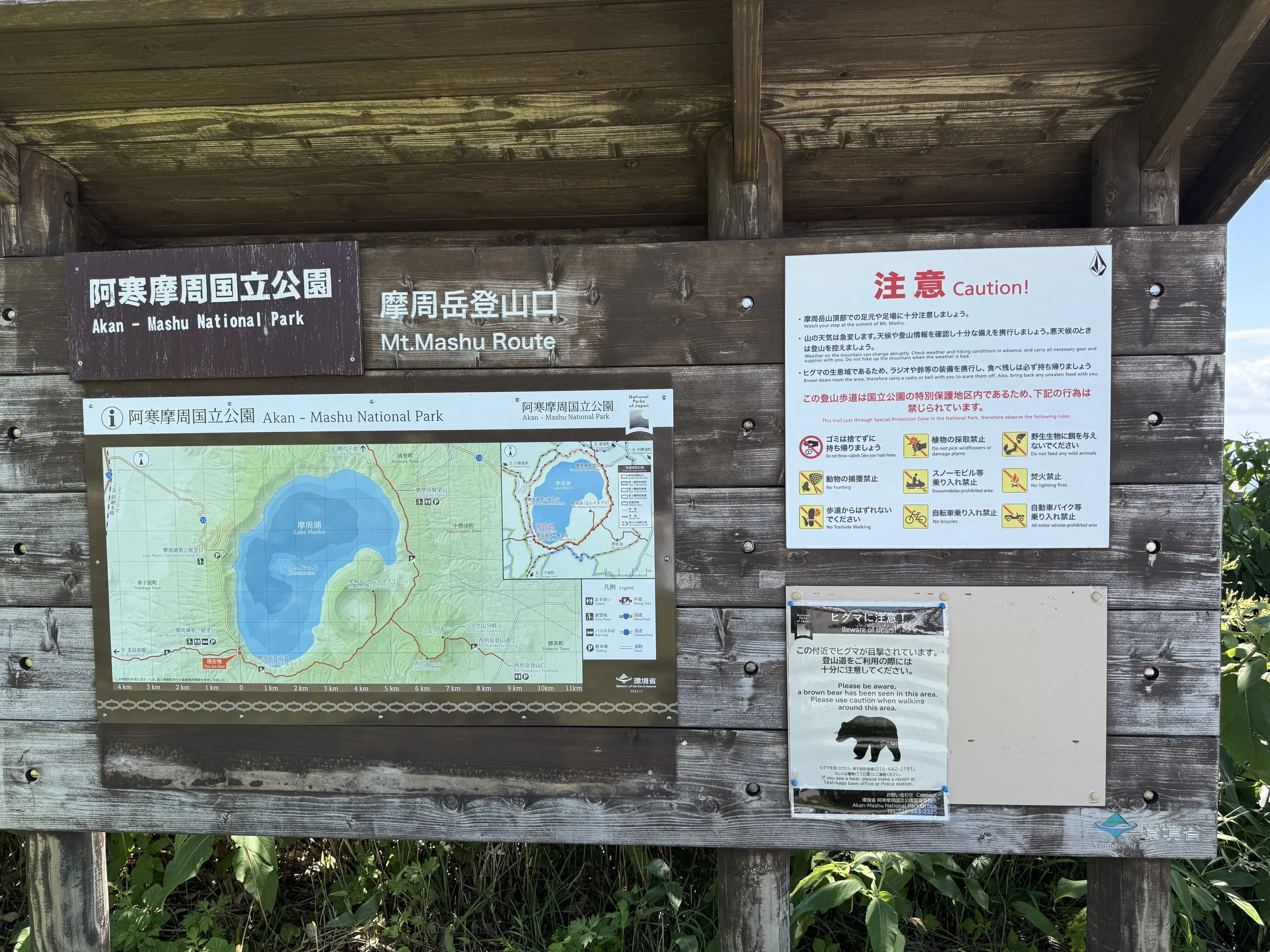
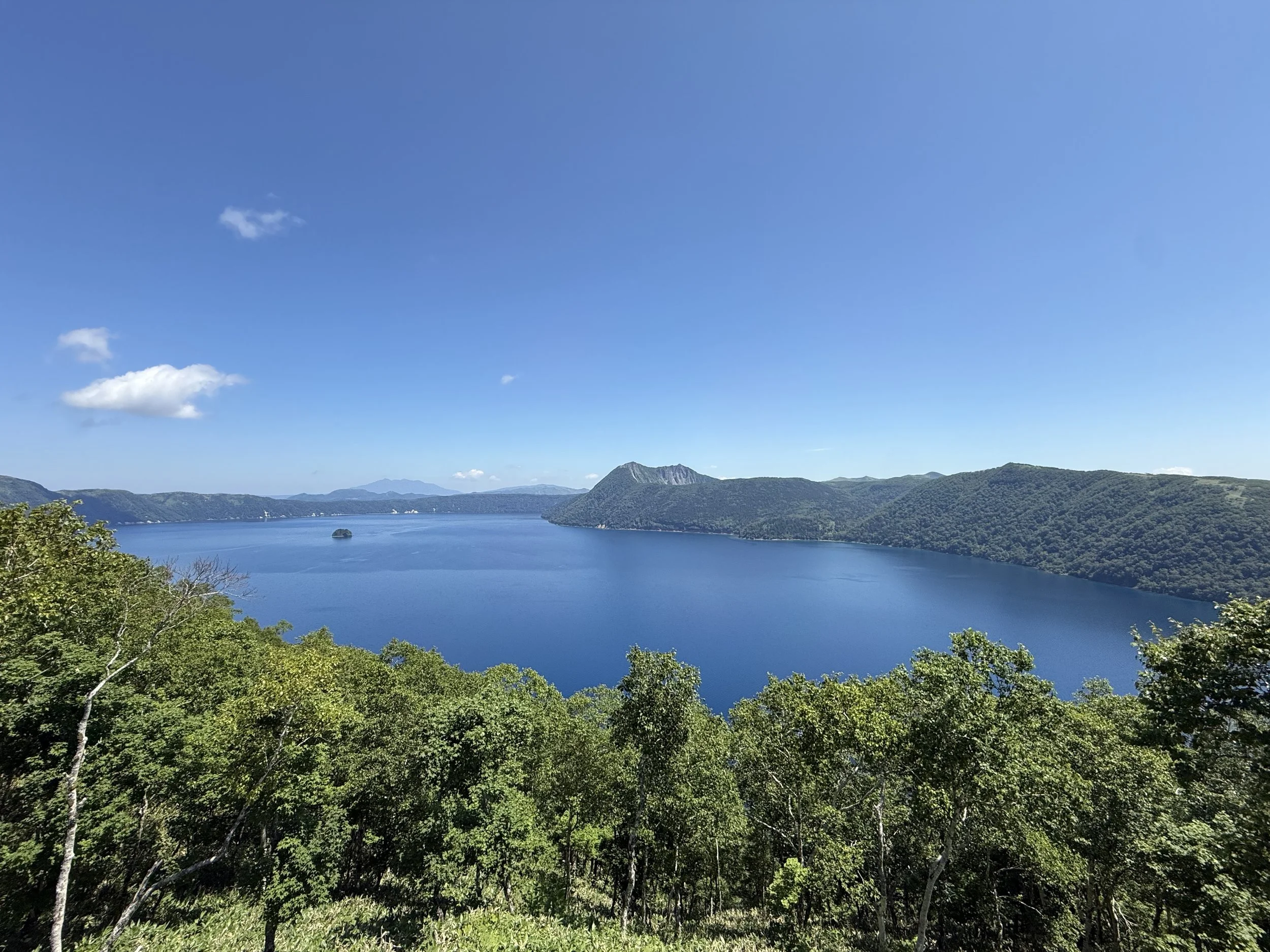
To experience the natural environment of eastern Hokkaido more directly, I took a drive around Lake Mashu.
Along the way, I saw many signs warning visitors about brown bears, which made me feel a little uneasy. Nevertheless, the area was filled with extraordinary natural scenery, including Lake Mashu, Mount Iō, hot spring areas, and Kaminoko Pond.
A short visit is not enough to understand everything this region has to offer, but I would like to return one day with my family and explore it more slowly.
For now, I am sharing some photographs from my drive around Lake Mashu. I hope to continue posting more images and impressions from my stay in Kushiro.
Before American Collectors: Remembering David Hockney
In June 2026, the news broke that David Hockney, one of the great figures of contemporary art, had passed away. He was 88. His large round glasses, the cigarette often in his hand, and the cheerful way he spoke in interviews had become part of his unmistakable presence. Whenever I saw him on television or in magazines, there was something warm and magnetic about him.
The first time I felt strongly drawn to Hockney’s work was when I was studying in Chicago and stood in front of American Collectors (Fred and Marcia Weisman)at the Art Institute of Chicago. It showed the light of Los Angeles, a carefully arranged garden, sculptures, and two figures standing within that space. But it was not simply a “bright” painting. The distance between the two people, their strange relationship to the sculptures and the architecture, and something unspoken beneath the surface seemed to emerge more and more the longer I looked at it. The painting did not explain anything directly, yet each time I saw it, it moved something in me. I think that is part of the mysterious power of Hockney’s work.
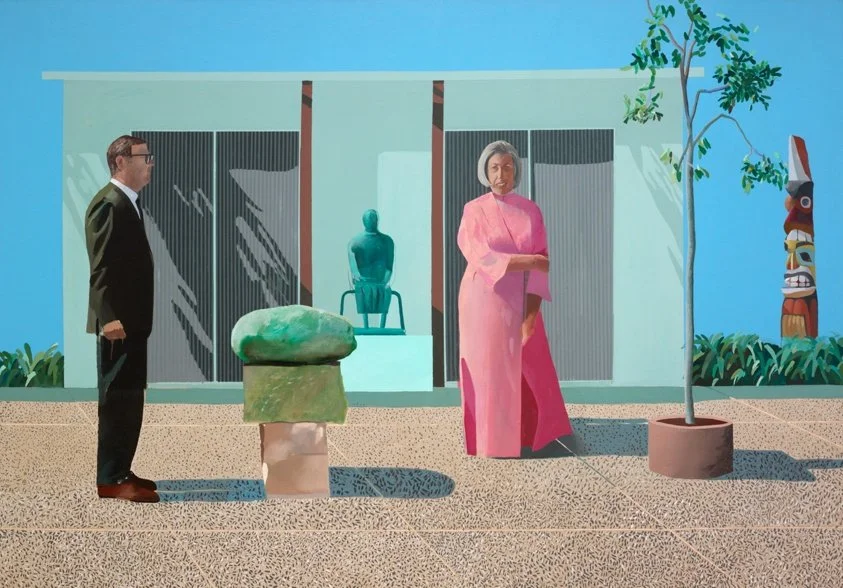
David Hockney, American Collectors (Fred and Marcia Weisman), 1968.
Acrylic on canvas. The Art Institute of Chicago.
© David Hockney.
Image included for reference in connection with the discussion of the work.
Image source: The Art Institute of Chicago.
URL: https://www.artic.edu/artworks/102234/american-collectors-fred-and-marcia-weisman
In his later years, Hockney surprised the world with his iPad drawings. The vivid landscapes created on a touchscreen easily overturned the assumption that digital works were somehow inferior. He accepted new tools naturally, almost as extensions of the paintbrush, and explored their possibilities with remarkable curiosity. In interviews, he sometimes spoke as if he was aware that death was not far away. Even so, he never seemed to lose his desire to keep making work. That determination to live fully as an artist until the end will remain in the minds of many people.
This may be a slight digression, but Hockney’s death was covered in Japan mainly by art-related media. It rarely became a major headline in general newspapers or television news. By contrast, when a bear attack occurs in a rural area, for example, the same story may be repeated again and again as a top news item. I am not saying that such incidents should not be reported. Still, I cannot help feeling a little saddened by the fact that the death of such a major artist was treated so quietly. Perhaps this reflects one of the problems in Japan’s media environment: art and culture are still often pushed aside as things that are not directly connected to daily life.
There is brightness in Hockney’s work. But that brightness is not simple. Behind it, there remains a sense of distance between people, a stillness of space, and emotions that cannot easily be put into words.
I feel sad that Hockney is gone. But his works will continue to remain in front of many people for a long time. I, too, hope to remember the strange feeling I had when I stood before American Collectors.
Thoughts within a limited time
This year, I have not been able to find enough time to make art. Because of this, it may be difficult to prepare enough works for the solo exhibition I had hoped to hold by the end of the year.
In my twenties and thirties, I think I was able to use much of my time for myself. I could live in a way that gave priority to what I wanted to do. But now, in my forties, I have a family, and I am also continuing graduate studies while working. Through this, I have come to realize how difficult it is to continue making art while doing research and supporting family life.
There are also changes in physical strength that come with age. Still, I do not want to use this simply as an excuse. Everyone has the same 24 hours in a day. For that reason, I need to think carefully about what to prioritize and what to let go of.
At the same time, health is the foundation of everything. Art-making, research, work, and family life all depend on physical and mental well-being. Perhaps this is not a time to force myself to achieve something, but rather a time to look again at the rhythm of my life and find a sustainable way to continue.
Even if I seem to be away from art-making, this time is not necessarily empty. The hesitation and fatigue I feel in everyday life, the time I spend with my family, and the realities I encounter through research and clinical practice are all quietly accumulating within me.
For now, instead of focusing too much on large works or a solo exhibition, I may need to return to my starting point and continue drawing in everyday life. Even if I only have a short time, I can still move my hand, observe what is around me, and record what I see and feel. These small accumulations may eventually lead to future works and exhibitions.
Continuing to make art does not always mean producing large outcomes. Perhaps it means keeping a small space for making within daily life, without forcing myself too much. For now, preserving that space may be what matters most.
今年はなかなか制作の時間を確保できず、目標にしていた年内の個展開催に向けて、十分な作品数をそろえることは難しいかもしれない。
20代から30代にかけて、私は比較的、自分のために多くの時間を使い、自分のやりたいことを優先して生きてきたように思う。しかし40代になり、家庭を持ち、社会人の大学院生として学び続けるなかで、家庭を支えながら、研究のかたわら制作を続けることの難しさを身にしみて感じている。
年齢に伴う体力の変化もある。けれど、それを単なる言い訳にはしたくない。1日の時間は、誰にとっても同じように与えられている。だからこそ、何を優先し、何を手放すのかを考えなければならない。
ただ、何をするにも健康あってのことだ。制作も、研究も、仕事も、家庭生活も、すべては心身の土台の上に成り立っている。今は、無理に何かを成し遂げようとするよりも、自分の生活のリズムを見つめ直し、続けられる形を探す時期なのかもしれない。
制作から離れているように見える時間も、必ずしも空白ではない。日々の生活のなかで感じる迷いや疲れ、家族との時間、研究や臨床で出会う現実もまた、少しずつ自分の中に蓄積されている。
今は大きな作品や個展という形にこだわるよりも、原点に立ち返り、日常生活の中でドローイングを続けていくことから始めてもよいのかもしれない。短い時間でも、手を動かし、見たものや感じたことを記録する。その小さな積み重ねが、やがて次の作品や展示につながっていくのだと思う。
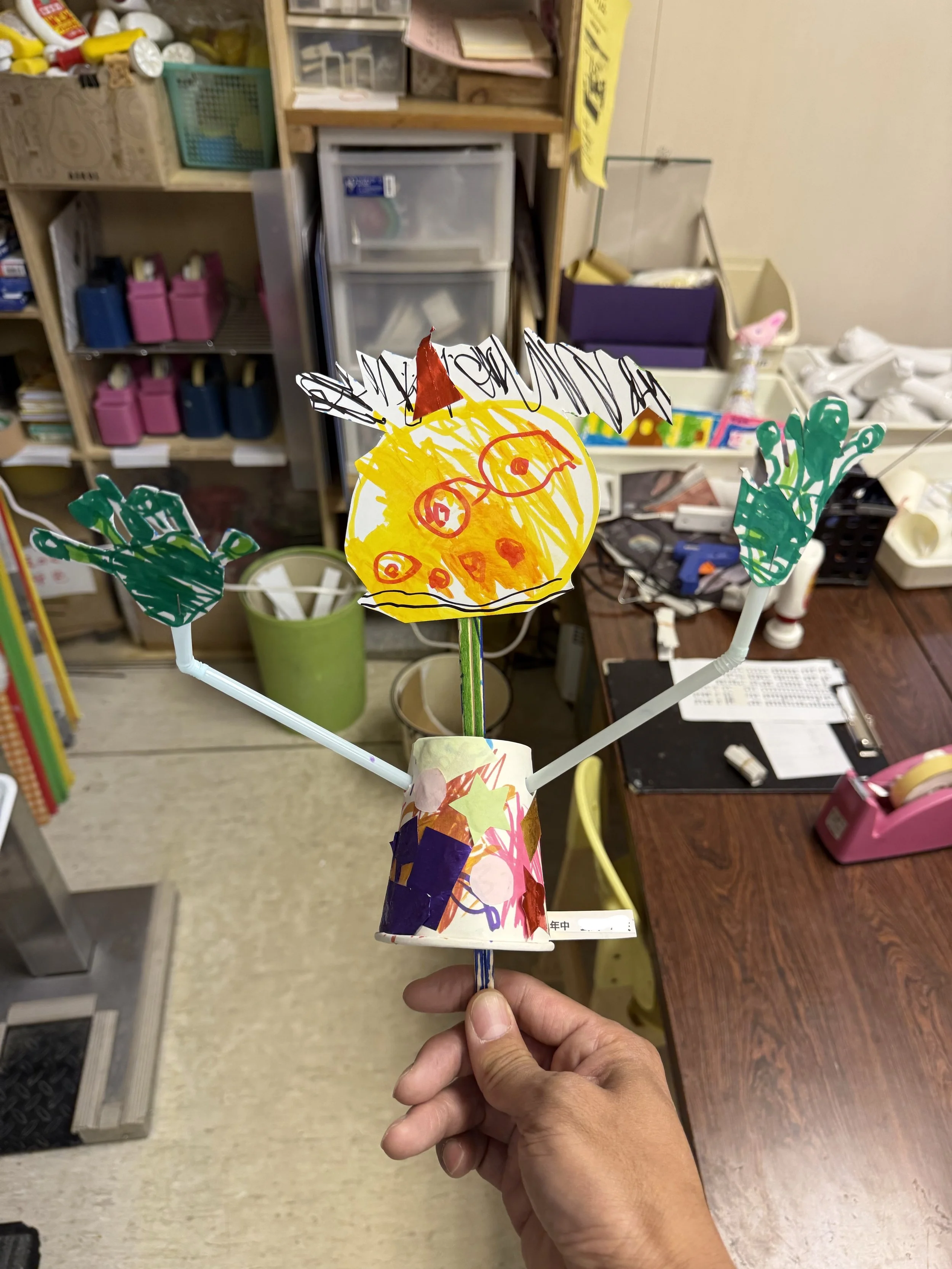
My son’s art
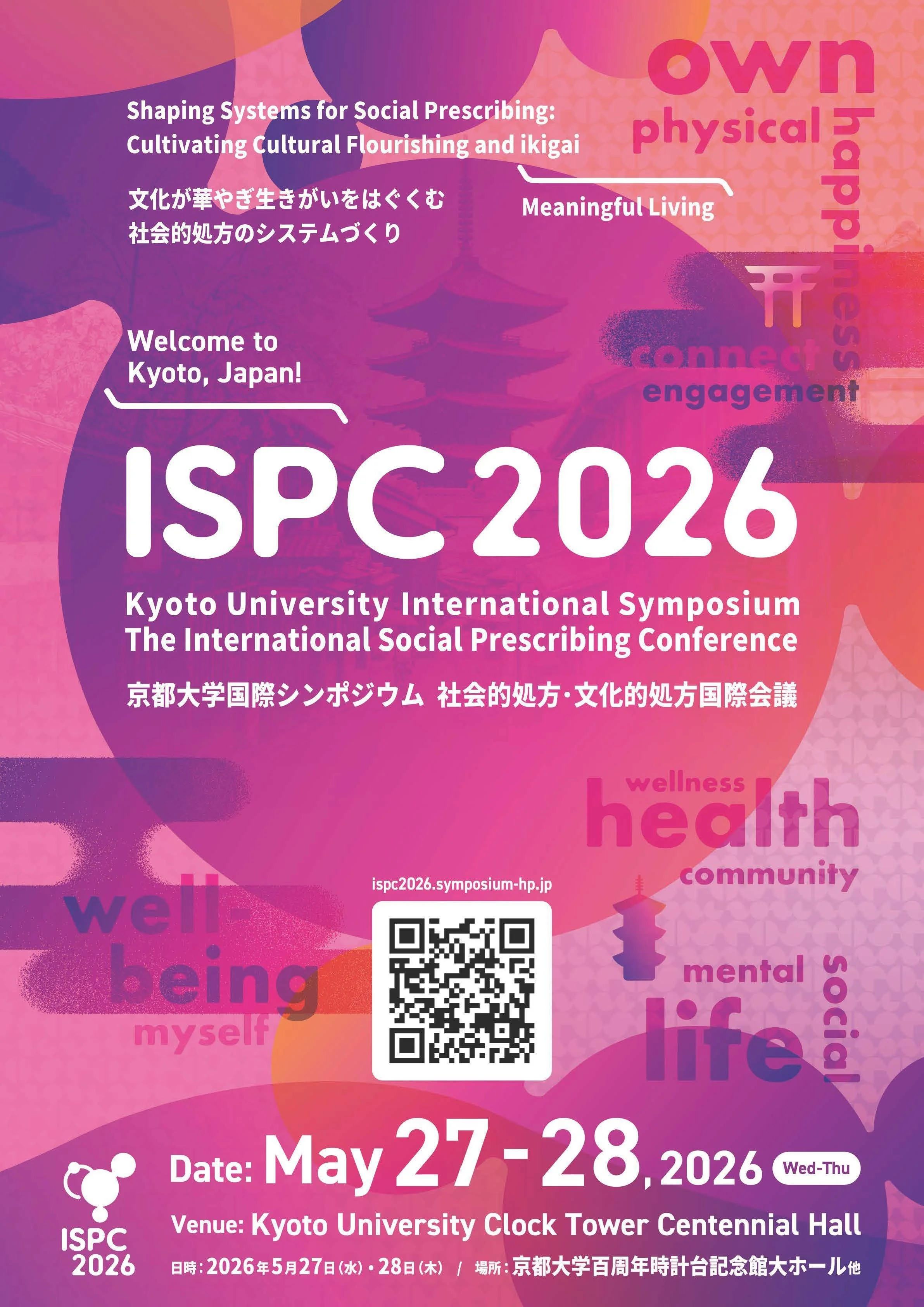
ISPC2026 (International Social Prescribing Conference 2026) @ Kyoto University
An international symposium on social prescribing will be held at Kyoto University on May 27–28.
Social prescribing is an approach that originated in the UK. Through link workers, healthcare professionals connect people at risk of social isolation, such as older adults and people with disabilities, to community activities including art, recreation, and sports. Its aim is to prevent the physical and mental health impacts of isolation, and although research is still developing, some studies have reported potential reductions in healthcare costs.
In Japan, social prescribing is gradually gaining attention. However, many challenges remain, including how to integrate it into Japanese primary care within a different healthcare system from the UK, as well as limited financial and human resources.
I believe this symposium will be a valuable opportunity to understand the current state of social prescribing in Japan. I am also looking forward to learning more about developments in Japan and other countries, which may inspire future research topics and creative projects.
https://ispc2026.symposium-hp.jp/index.html
Traveling To Yoron Island and Okinawa
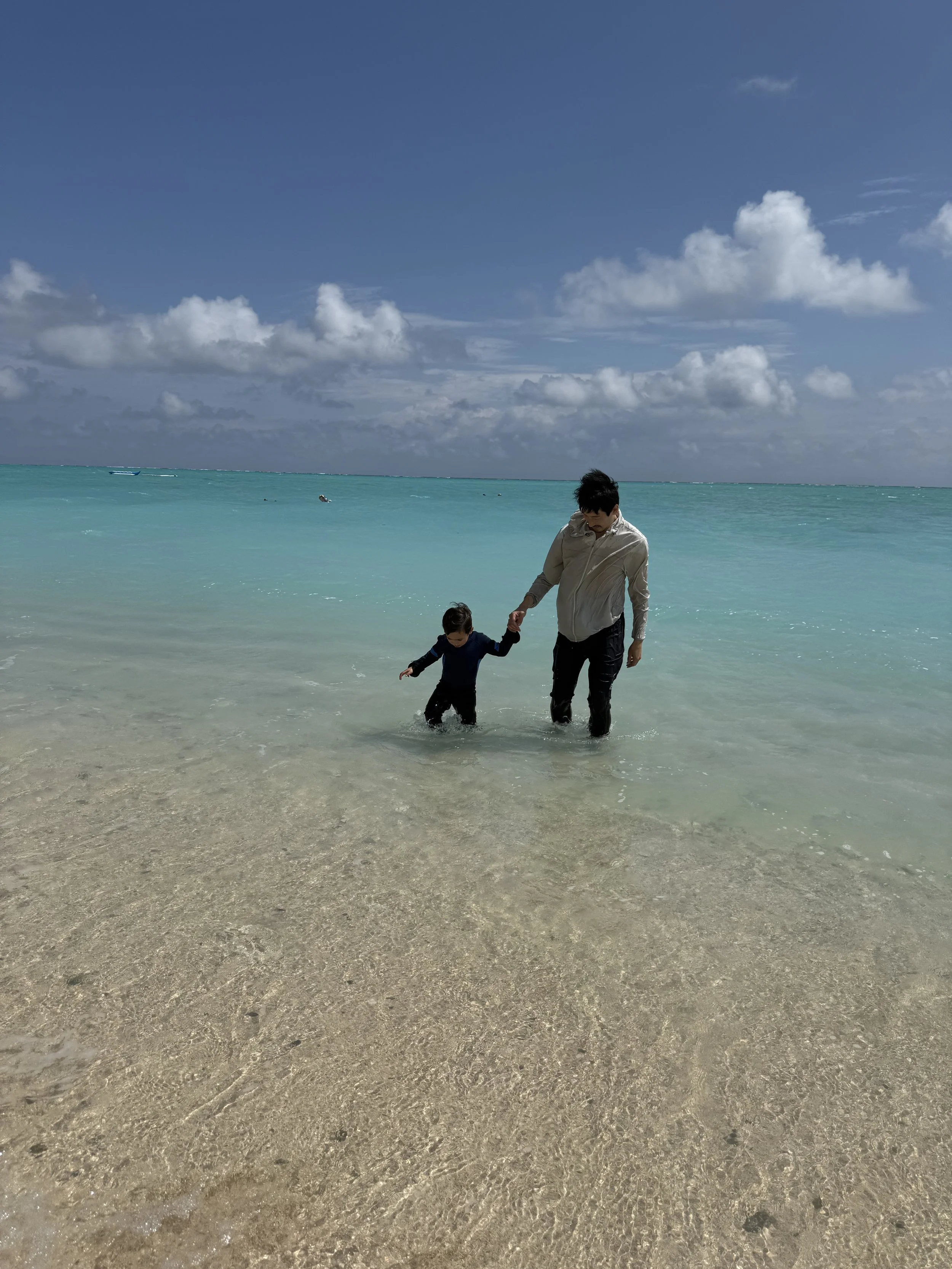
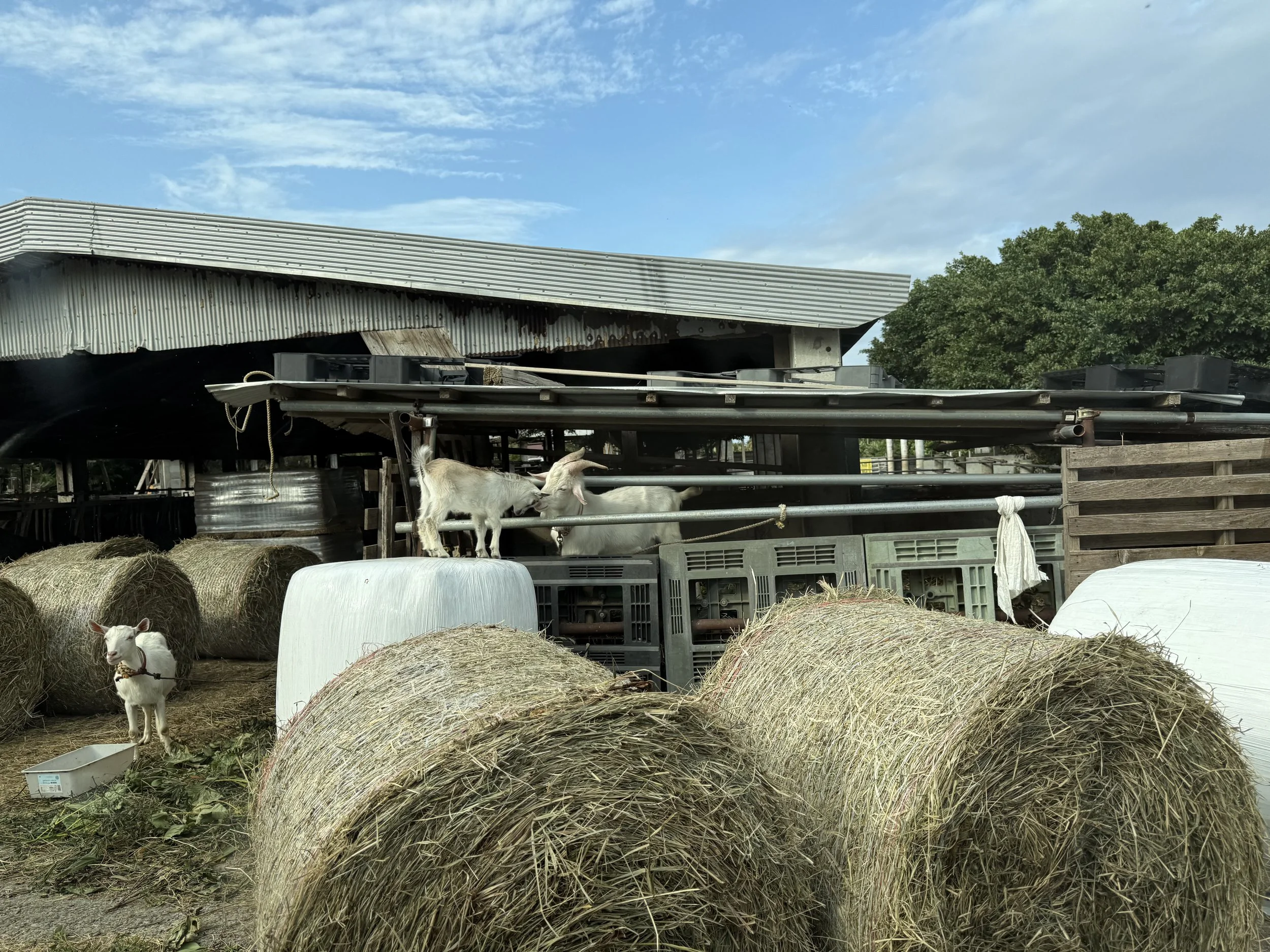
3月後半に、友人家族と一緒に与論島と沖縄へ旅行に行きました。
与論島は沖縄から飛行機で約30分ほどの小さな島です。沖縄本島ほど観光地化されておらず、観光客も少なく、ゆったりとした時間を過ごすことができました。静かで、どこか日常から少し離れたような感覚がありました。
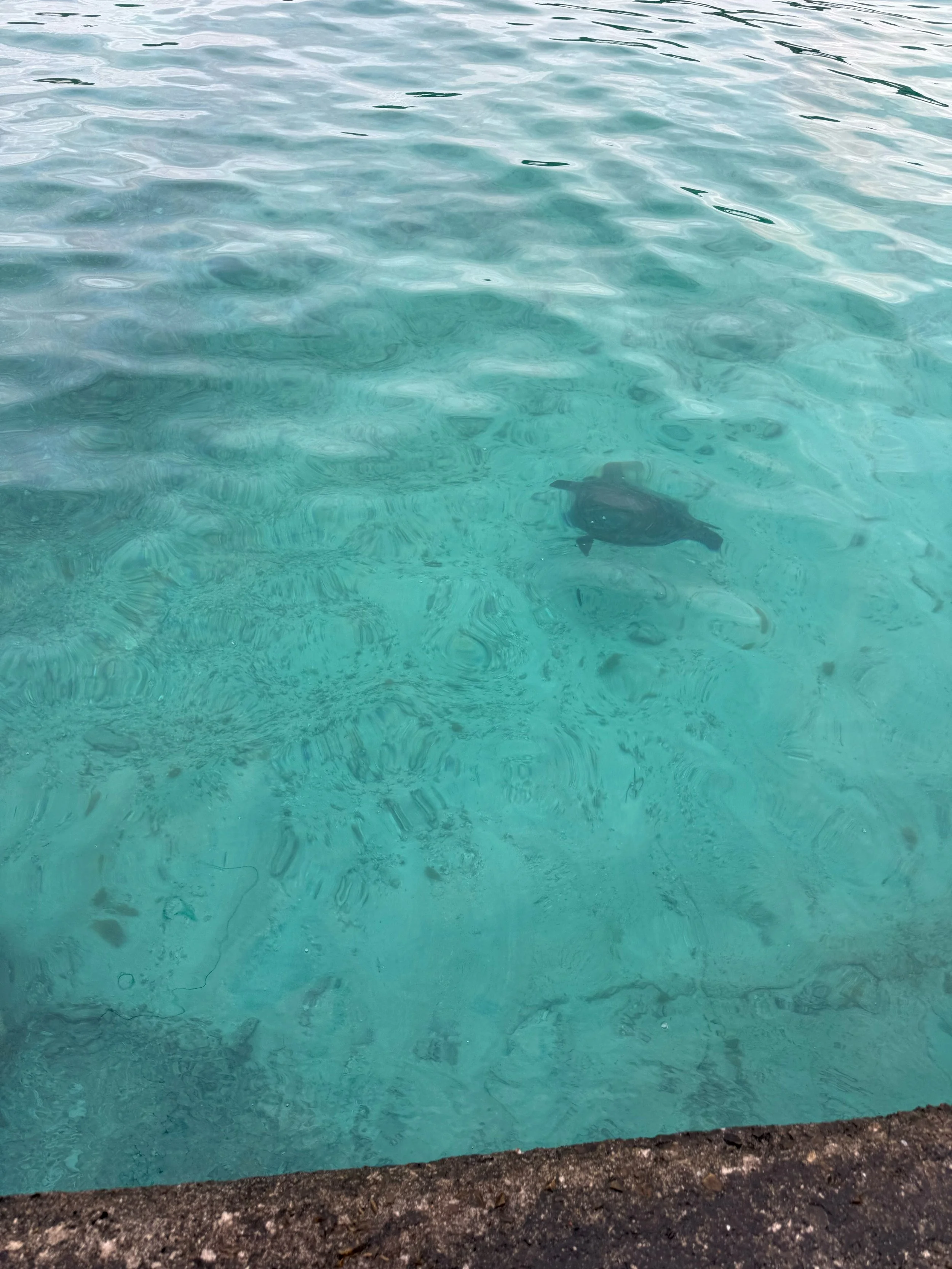
3月の海はまだ冷たく、泳ぐにはウェットスーツが必要でしたが、透明度は高く、海の中の景色はとても印象的でした。ウミガメの姿を見ることもでき、しばらく見入ってしまいました。また、与論島や沖縄の料理もとても美味しく、旅の楽しみの一つになりました。個人的には沖縄や石垣島のようにリゾート開発が進んでいない点では非常に癒されました。
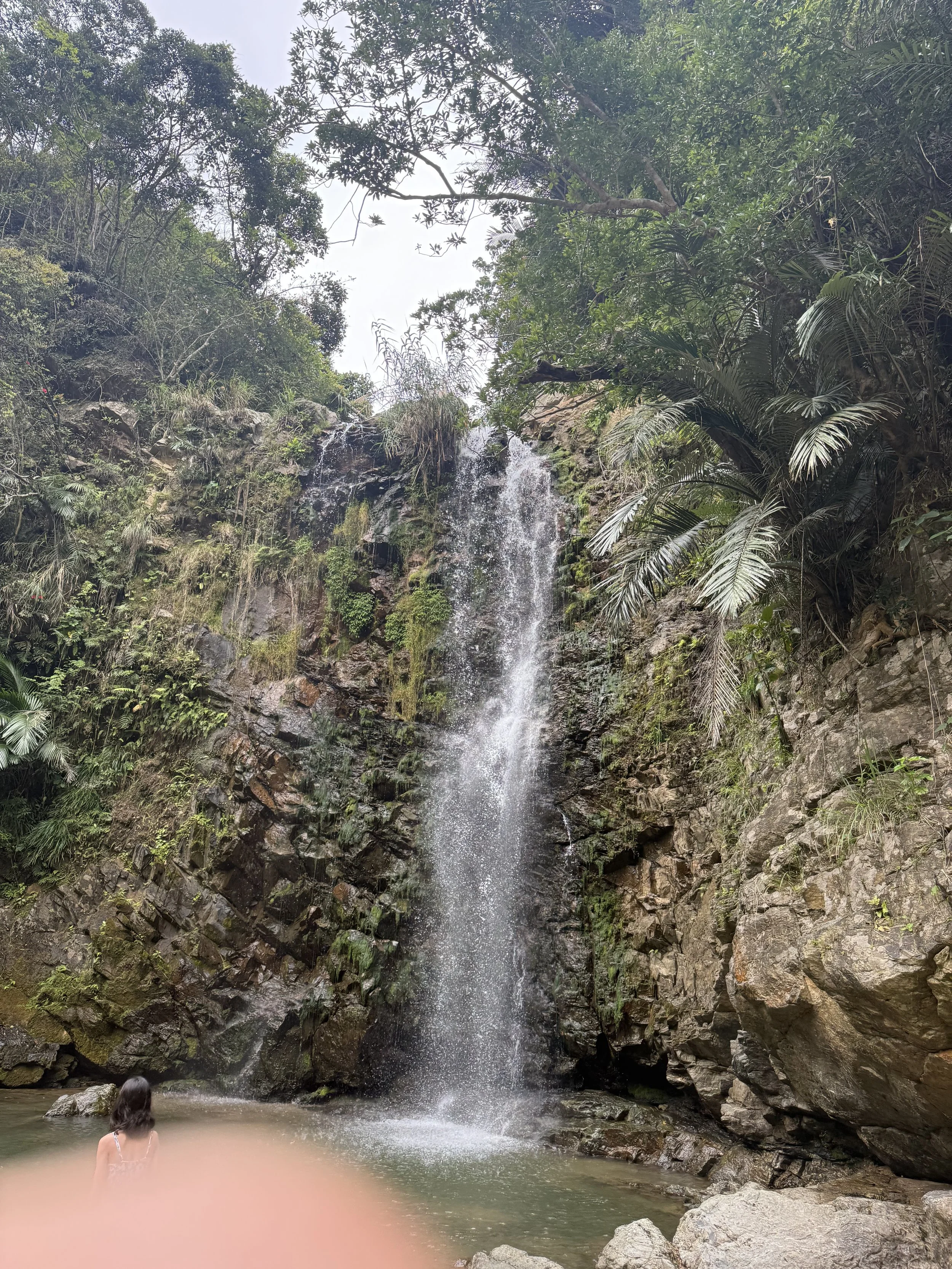
一方、沖縄では滝を目指してハイキングへ。海だけでなく、緑の中で身体を動かす時間も心地よく、「海あり山あり」の旅になりました。
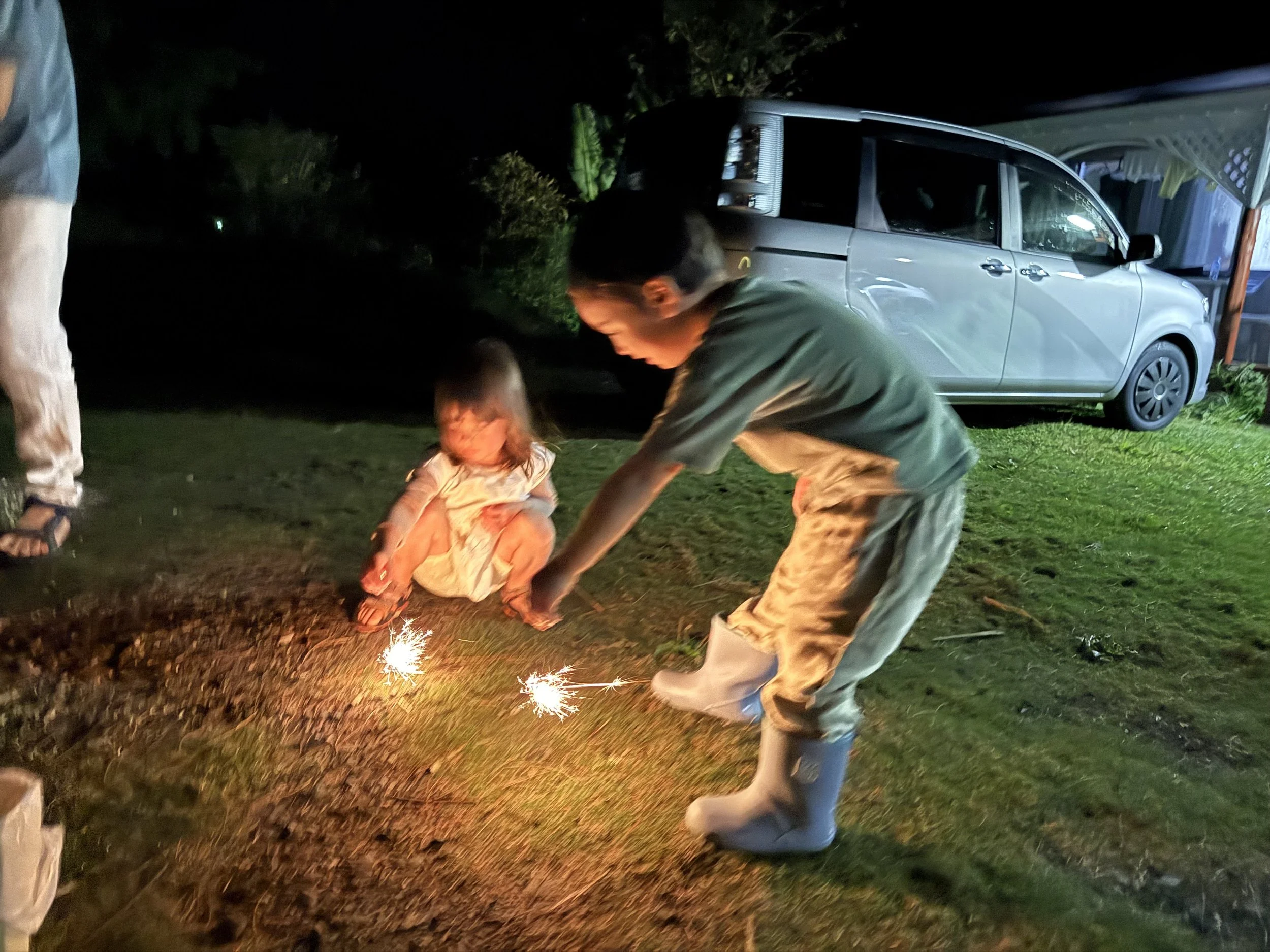
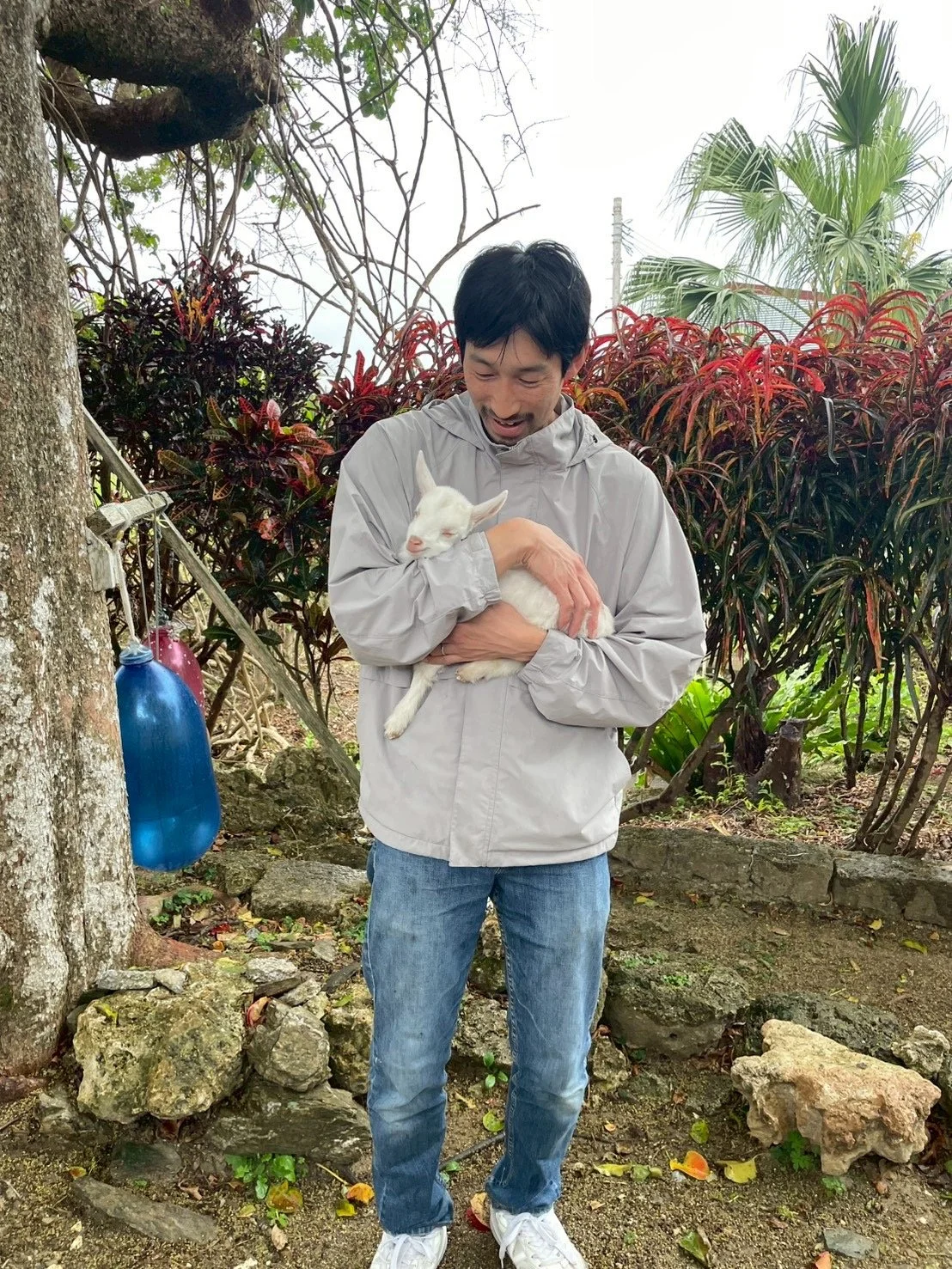
In late March, I traveled to Yoronjima and Okinawa with a friend’s family.
Yoronjima is a small island about a 30-minute flight from Okinawa. Compared to Okinawa’s main island, it is far less developed for tourism, and there were fewer visitors, allowing us to spend our time at a relaxed pace. It felt quiet—almost as if we had stepped slightly away from everyday life.
Although the ocean in March was still cold and required a wetsuit for swimming, the water was incredibly clear, and the underwater scenery was striking. We were also able to spot sea turtles, and I found myself pausing for a while just watching them.
The local food in both Yoronjima and Okinawa was also excellent, becoming one of the highlights of the trip.
In Okinawa, we went on a hike to see a waterfall. Being surrounded not only by the sea but also by lush greenery, and moving our bodies in nature, made the experience even more refreshing. It truly felt like a journey of both ocean and mountains.
Spring is coming
京都は寒さがやわらぎ、少しずつ過ごしやすい季節になってきました。
年明け以降、久しぶりのブログ更新になります。
これといって大きな報告があるわけでもなく、気がつけば更新が滞っていました。とはいえ、世界の情勢はますます混沌としていて、ニュースを見るたびに気持ちが沈む出来事が毎日のように起きています。
2月はミラノ・コルティナオリンピックを楽しみに観ていました。日本人選手の活躍は目を見張るものがありました。私は大学生の頃、ゴーリーとしてアイスホッケーをしていたので、冬のオリンピックでは特定の国を応援するというより、ついアイスホッケーの試合ばかり観てしまいます。
さて、私の近況ですが、今年も昨年に続き個展を開催することを目標にしています。そして4月からは大学院の博士課程での研究も始まります。社会疫学の教室に所属し、社会的処方や在日外国人の社会的孤立、医療アクセスの課題などについて研究していく予定です。
40代半ばで博士課程に進学するのは、少し無謀かもしれません。それでも家庭、仕事、制作、それぞれのバランスをとりながら自分なりの人生を歩んでいこうと思っています。
研究の準備として、今月中旬には公衆衛生関連の学会にも参加する予定です。ポスター発表ですが、海外の社会的処方に関するRapid Reviewを行ったので、その内容を発表します。
今回はプライベート写真は掲載しませんが、3月後半には友人家族と一緒に沖縄へ家族旅行に行く予定です。少し息抜きをして、またその様子もブログに載せたいと思います。
以下AI翻訳
(English)
The weather in Kyoto has started to warm up, making it a much more comfortable season. This is my first blog update in quite a while since the beginning of the year.
There hasn’t been any major news to report, but the world itself seems increasingly unsettled, and the news often brings discouraging stories.
In February, I enjoyed watching the Milan–Cortina Winter Olympics. The performances of the Japanese athletes were impressive. When I was a university student, I played ice hockey as a goalie, so during the Winter Olympics I naturally find myself watching ice hockey more than anything else.
On a personal note, I hope to hold another solo exhibition this year, continuing from last year. At the same time, I will begin my doctoral studies this April in a social epidemiology laboratory. My research will focus on topics such as social prescribing, social isolation among foreign residents in Japan, and access to healthcare.
Starting a PhD in my mid-forties may seem a bit unconventional, but I hope to continue exploring the intersection of art, medicine, and society as both an artist and a researcher.
Later this month I will present a poster at a public health conference based on a rapid review of international social prescribing models.
In late March, my family will travel to Okinawa with friends for a short break. I hope to share some photos from the trip in a future post.
Happy New Year 2026
少し遅くなりましたが新年あけましておめでとうございます。
昨年は、制作を通して、日常の中にひそむ静かな風景にあらためて目を向ける時間を持つことができました。
今年は、医療や公衆衛生の知見と、アートやデザインの視点を行き来しながら、人と社会をやさしくつなぐ表現や取り組みを、無理のない歩みの中で、少しずつ育てていけたらと思っています。
この場所を通して、私自身の日常や気付きを共有できることを楽しみにしています。
本年もどうぞよろしくお願いいたします。
A little belated, but Happy New Year.
Last year, through making and reflecting, I found myself returning to the quiet landscapes that exist within the ordinary rhythms of daily life.
In the year ahead, moving between medicine, public health, and the perspectives of art and design, I hope to gently cultivate ways of expression and practice that connect people and society, slowly and with care.
I look forward to sharing fragments of my everyday life and the small realizations that emerge along the way.
Wishing you a gentle and meaningful year ahead.
Paper-making in Kochi
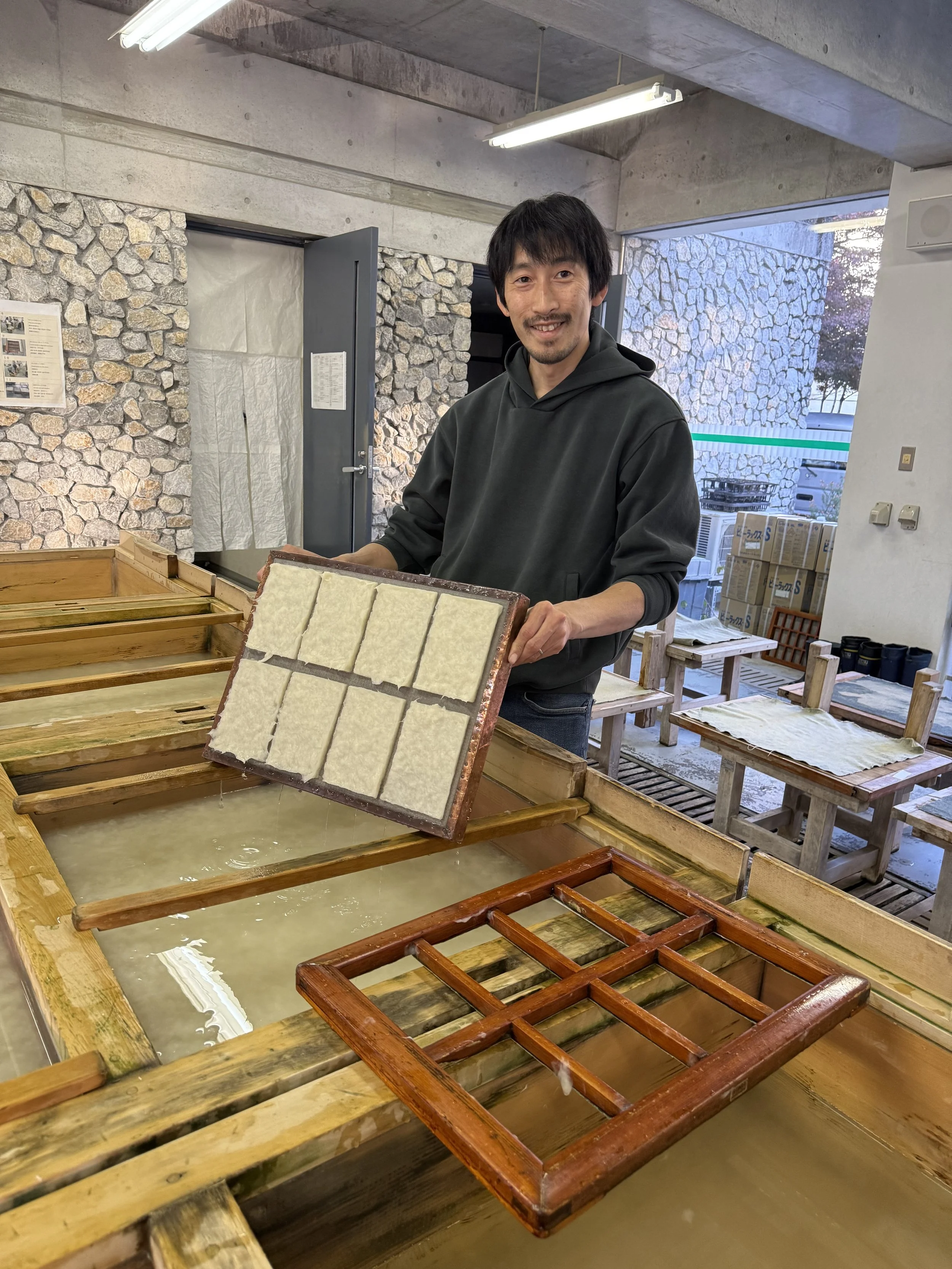
先日高知に行く機会があり、土佐和紙工房で紙漉き体験をしました。
Recently, I had a chance to visit Kochi and experienced traditional papermaking at a Tosa washi workshop.
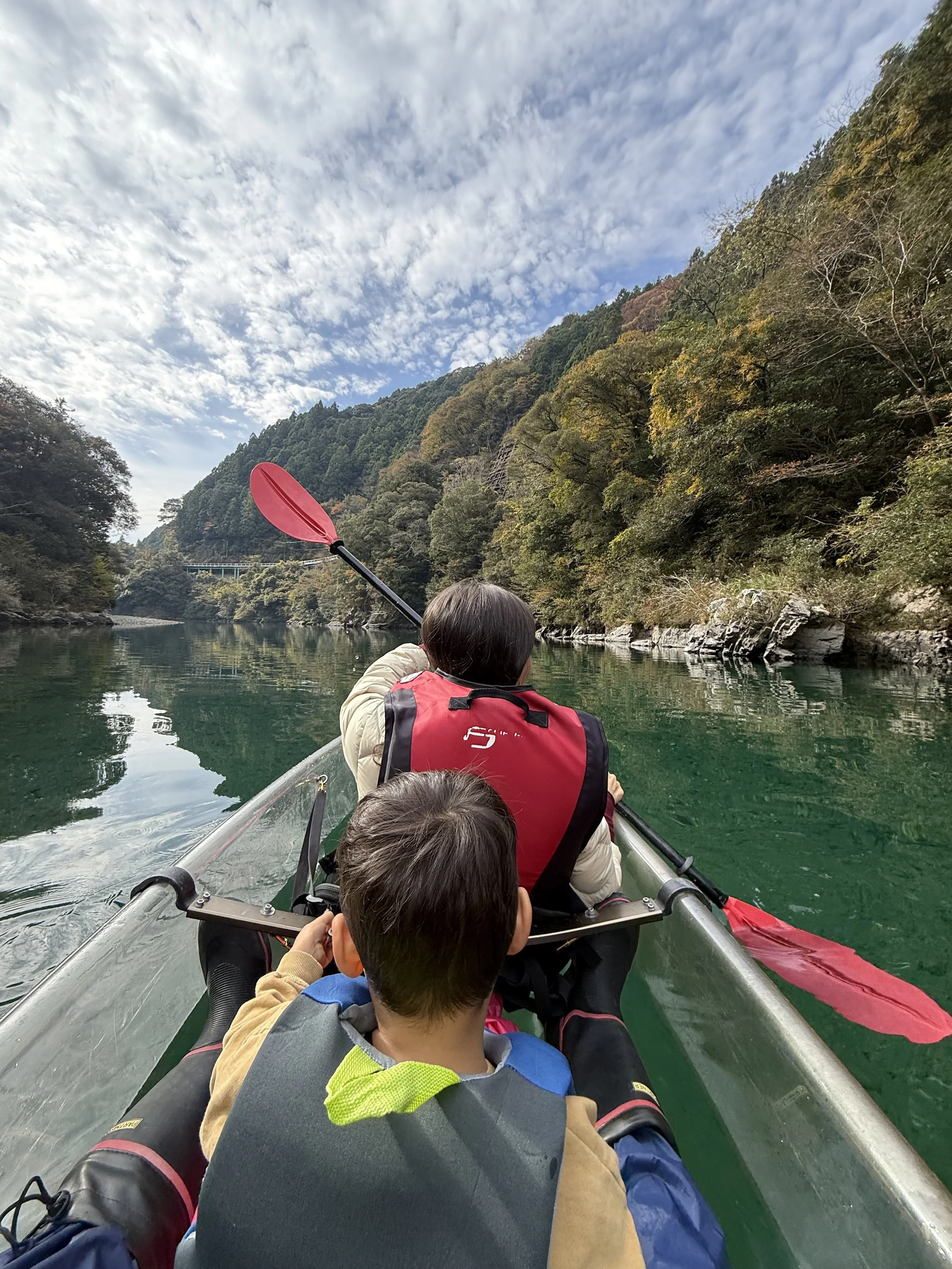
仁淀川でカヌーも乗りました。綺麗な水と自然に癒されます。
I also went canoeing on the Niyodo River. The beautiful water and nature were very relaxing.
スイスーフランス③ Paris
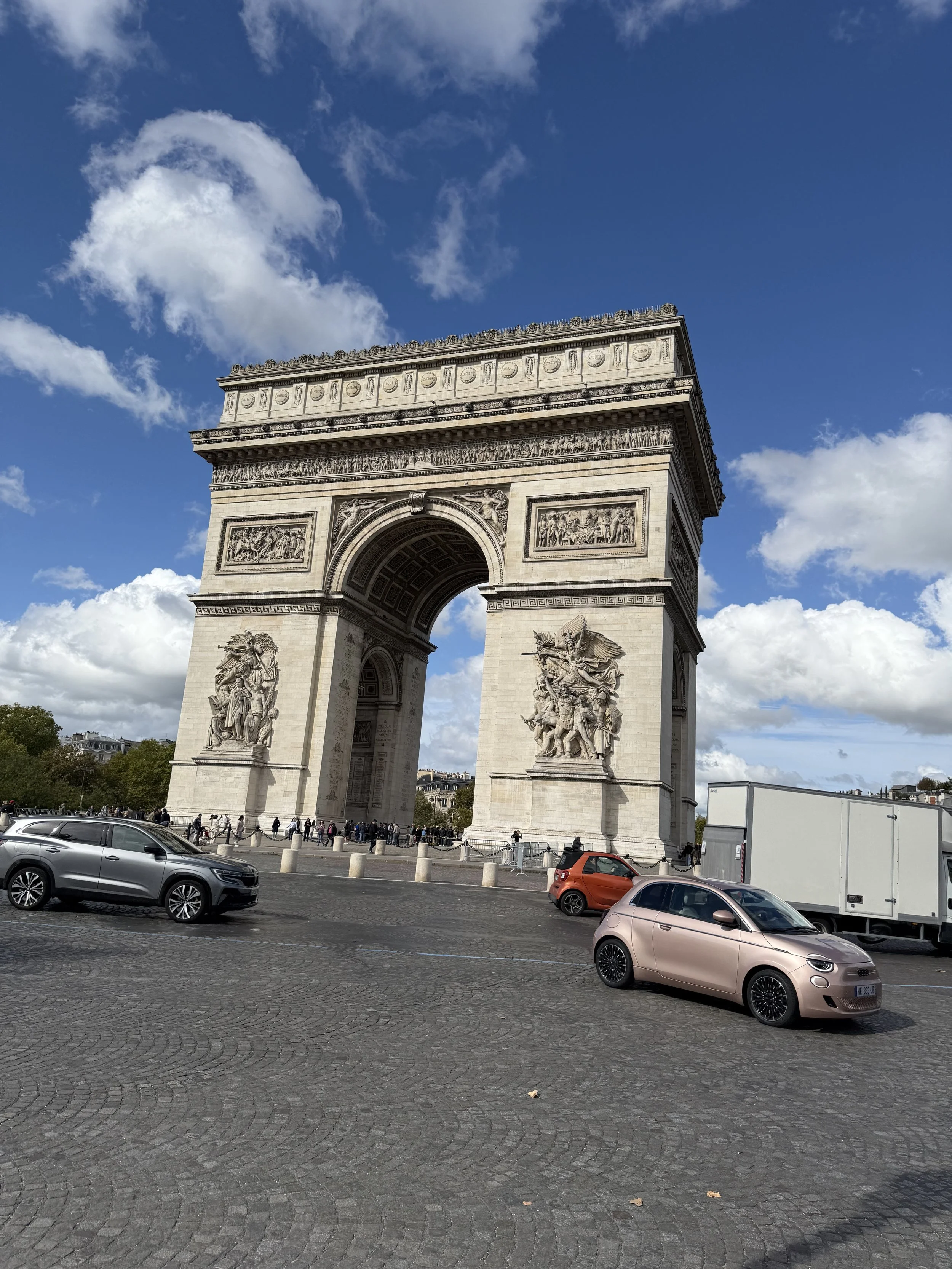
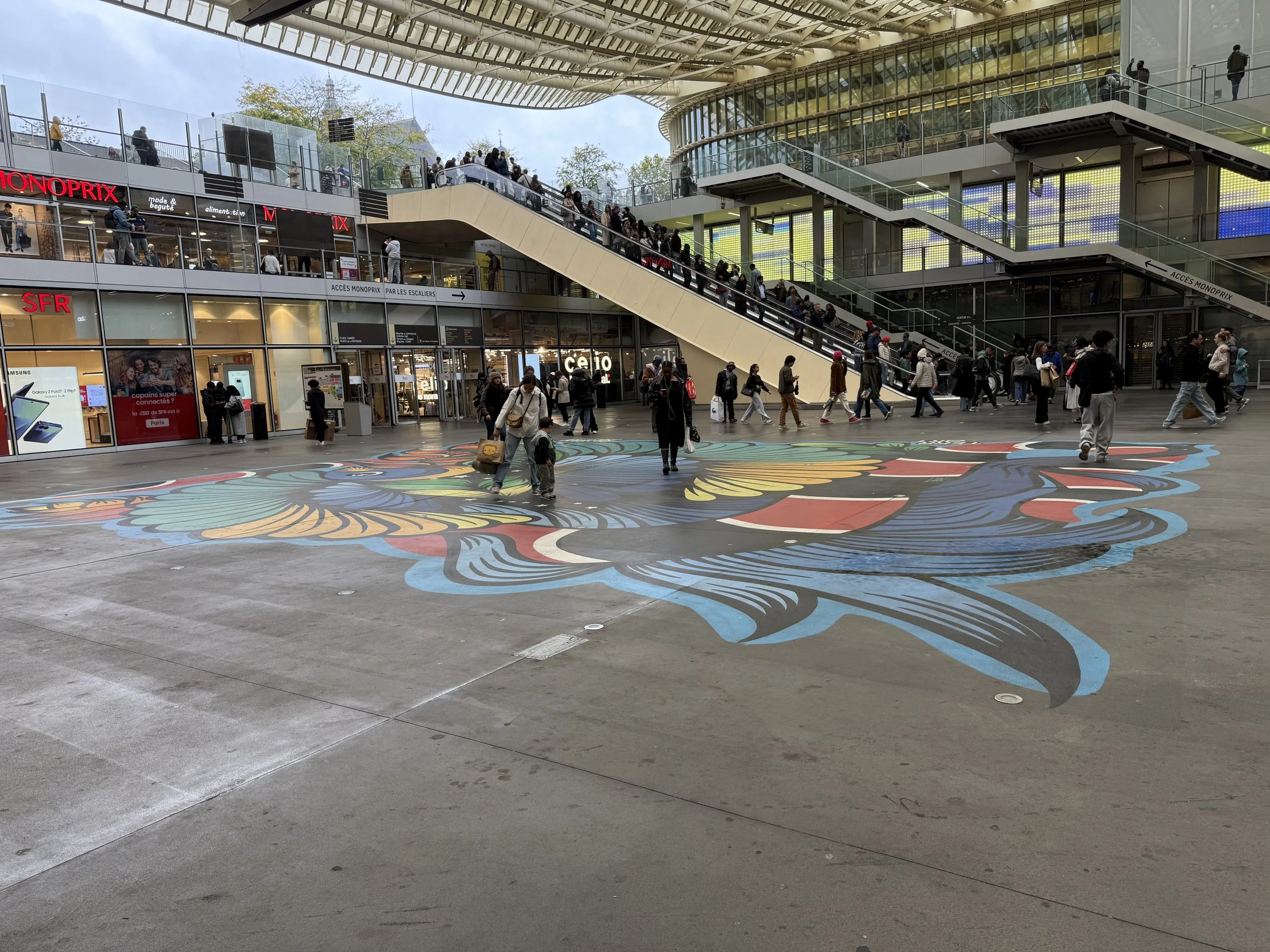
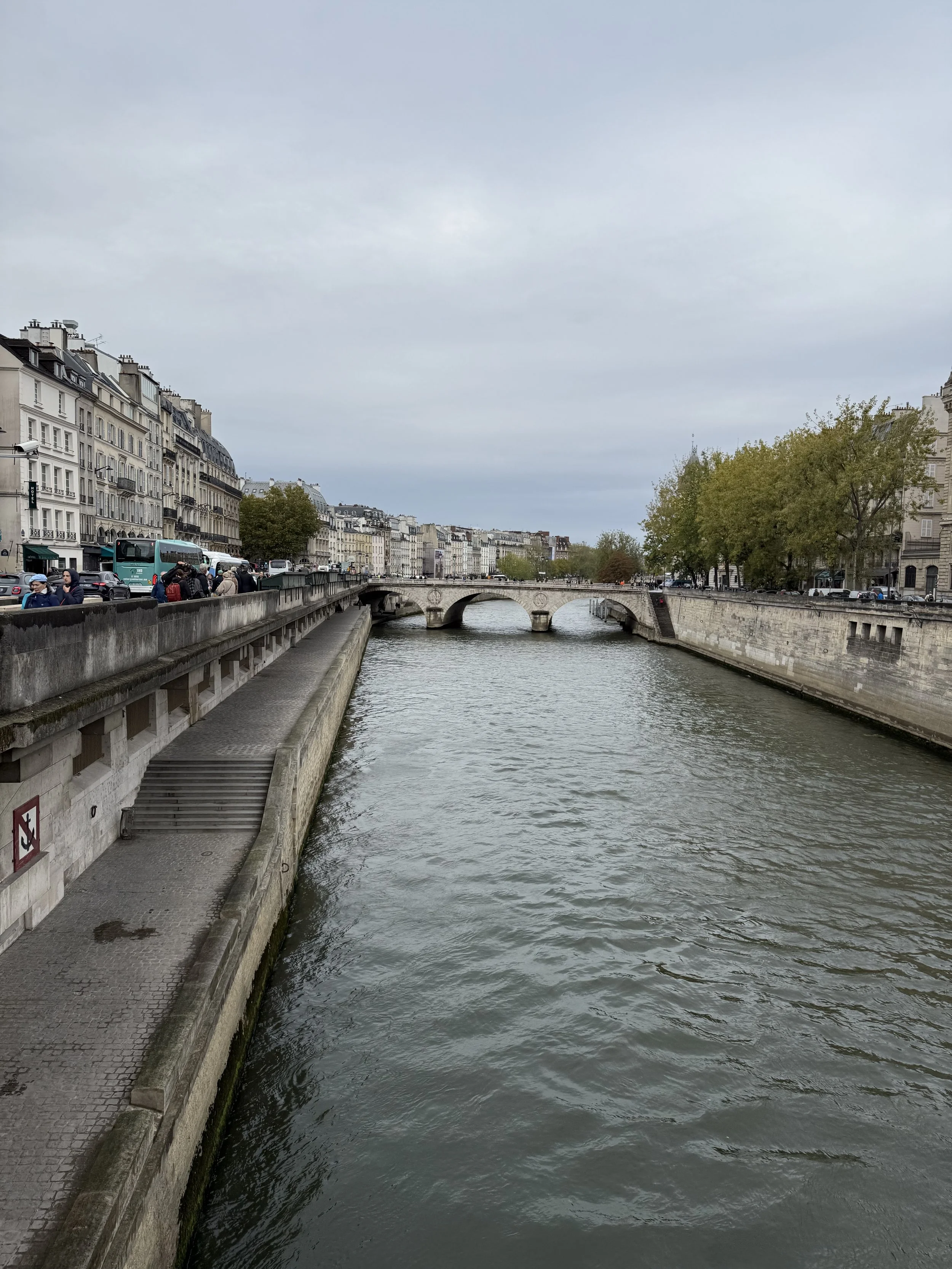
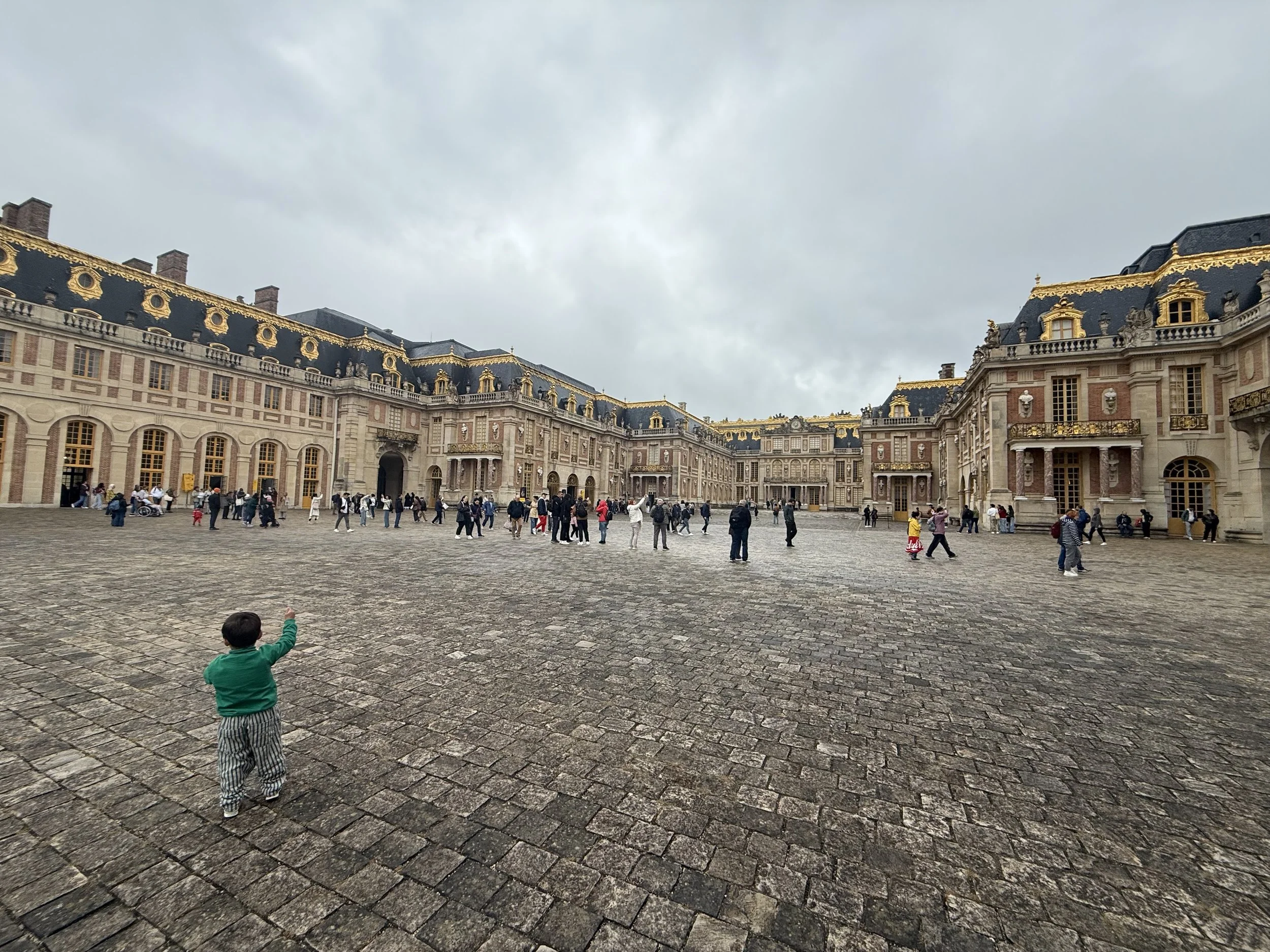
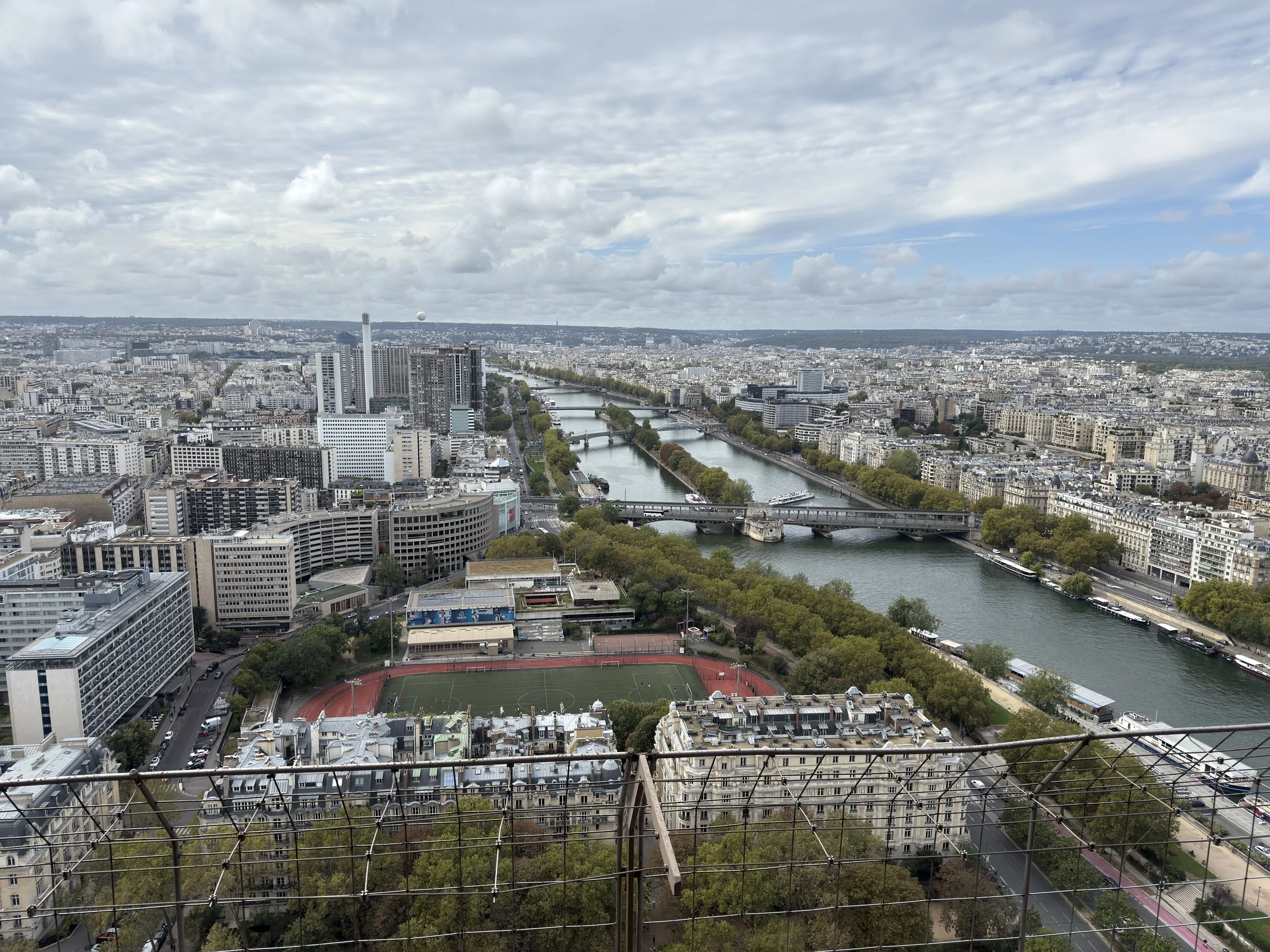
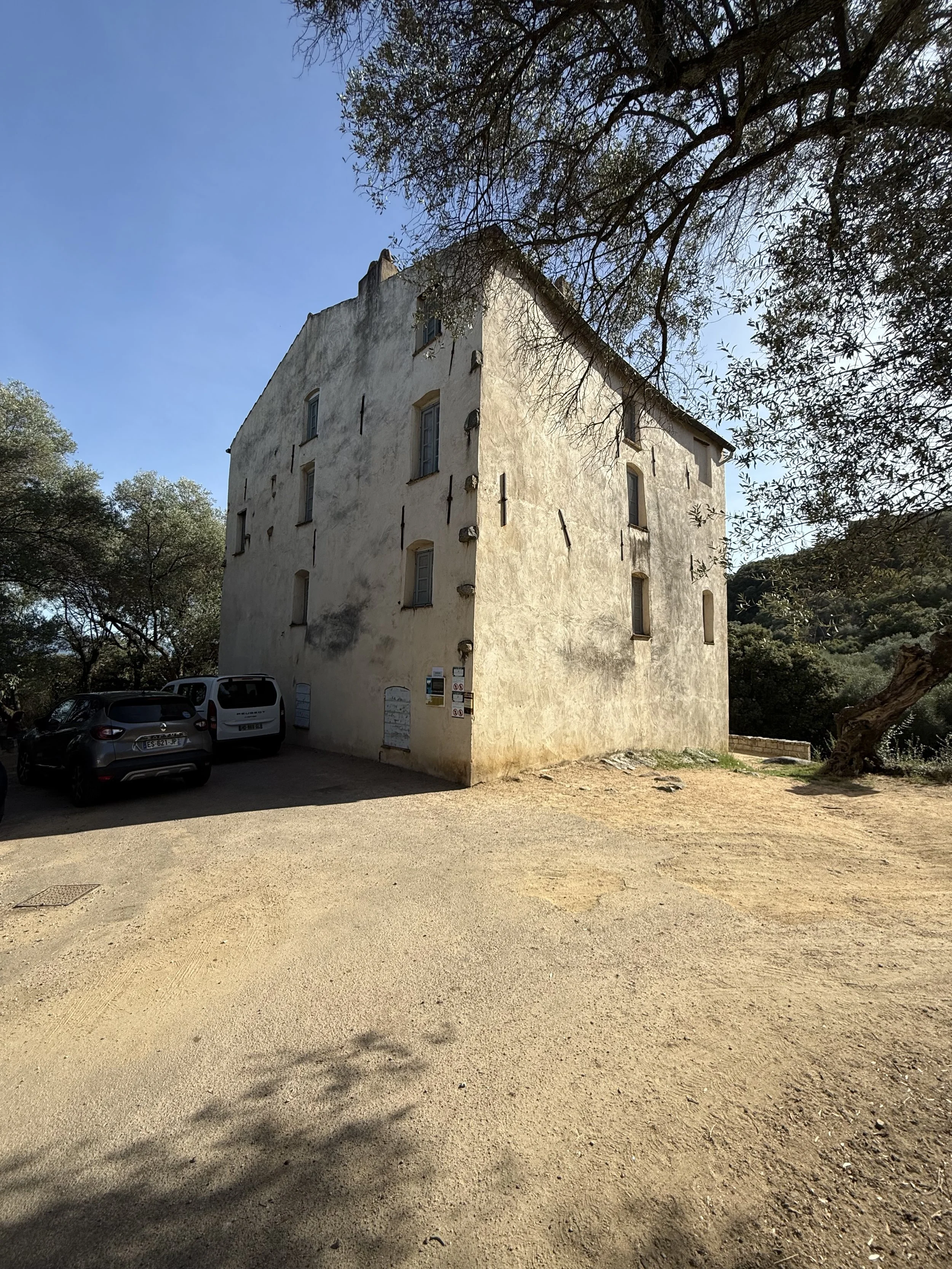
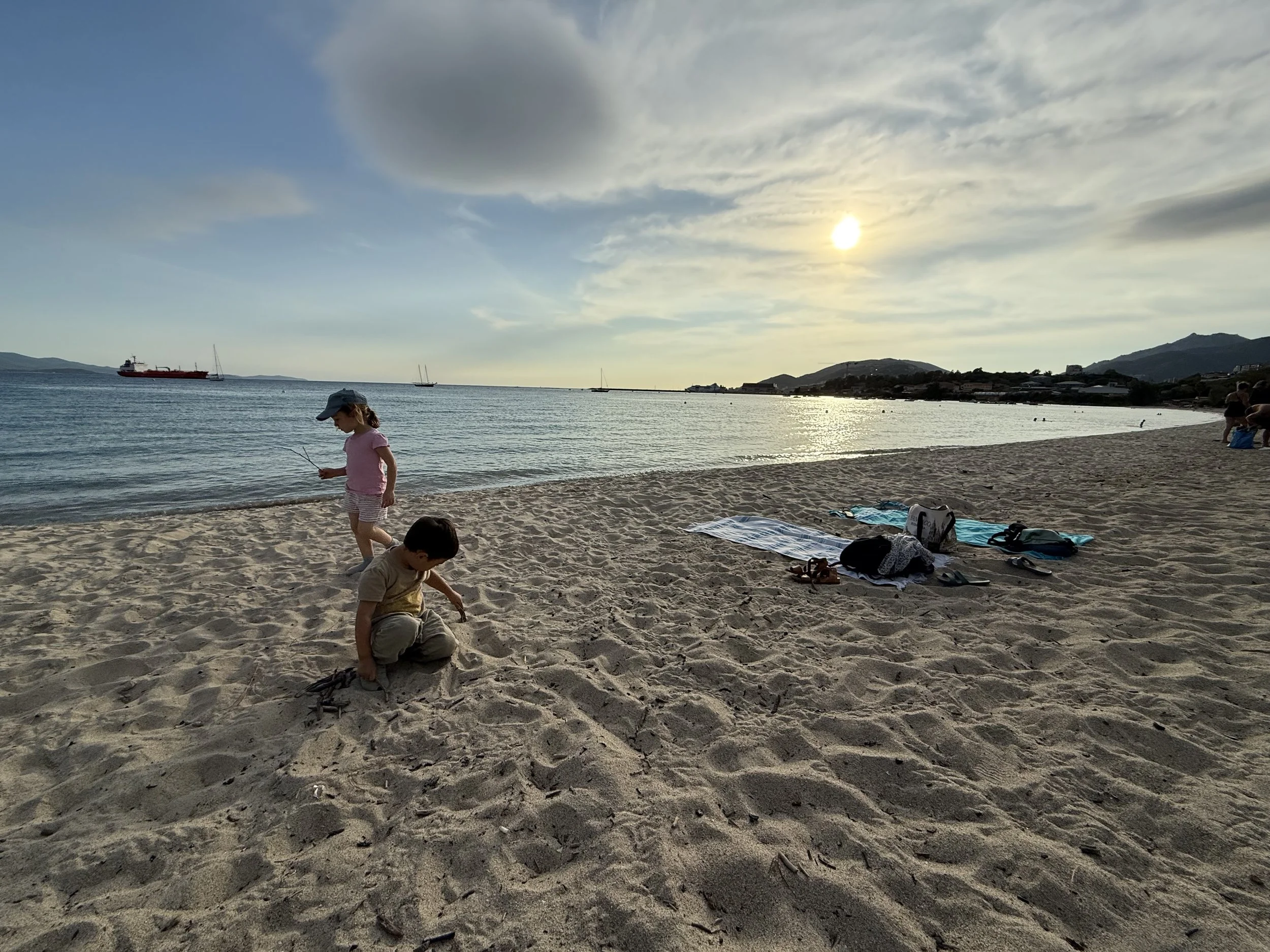
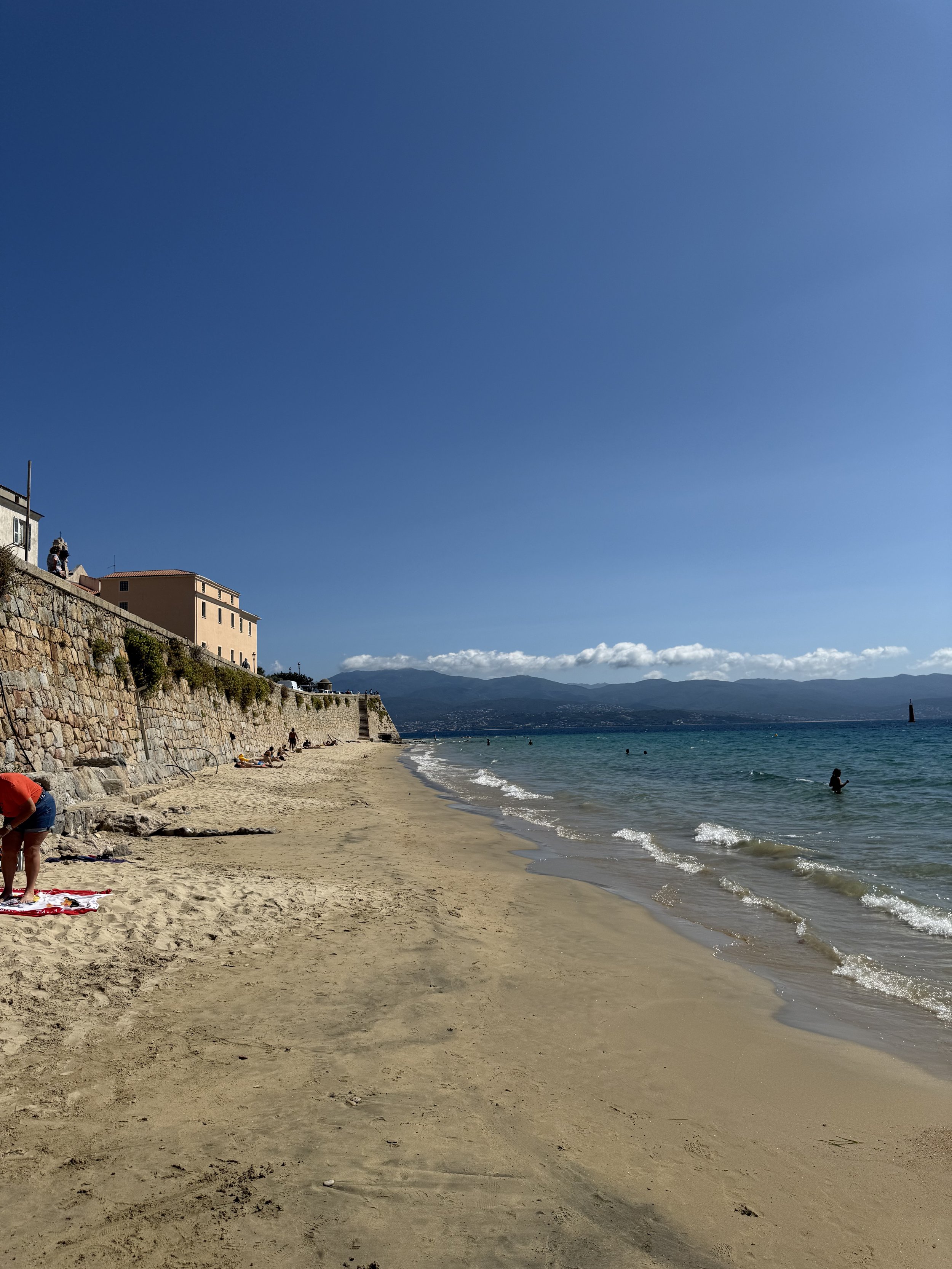
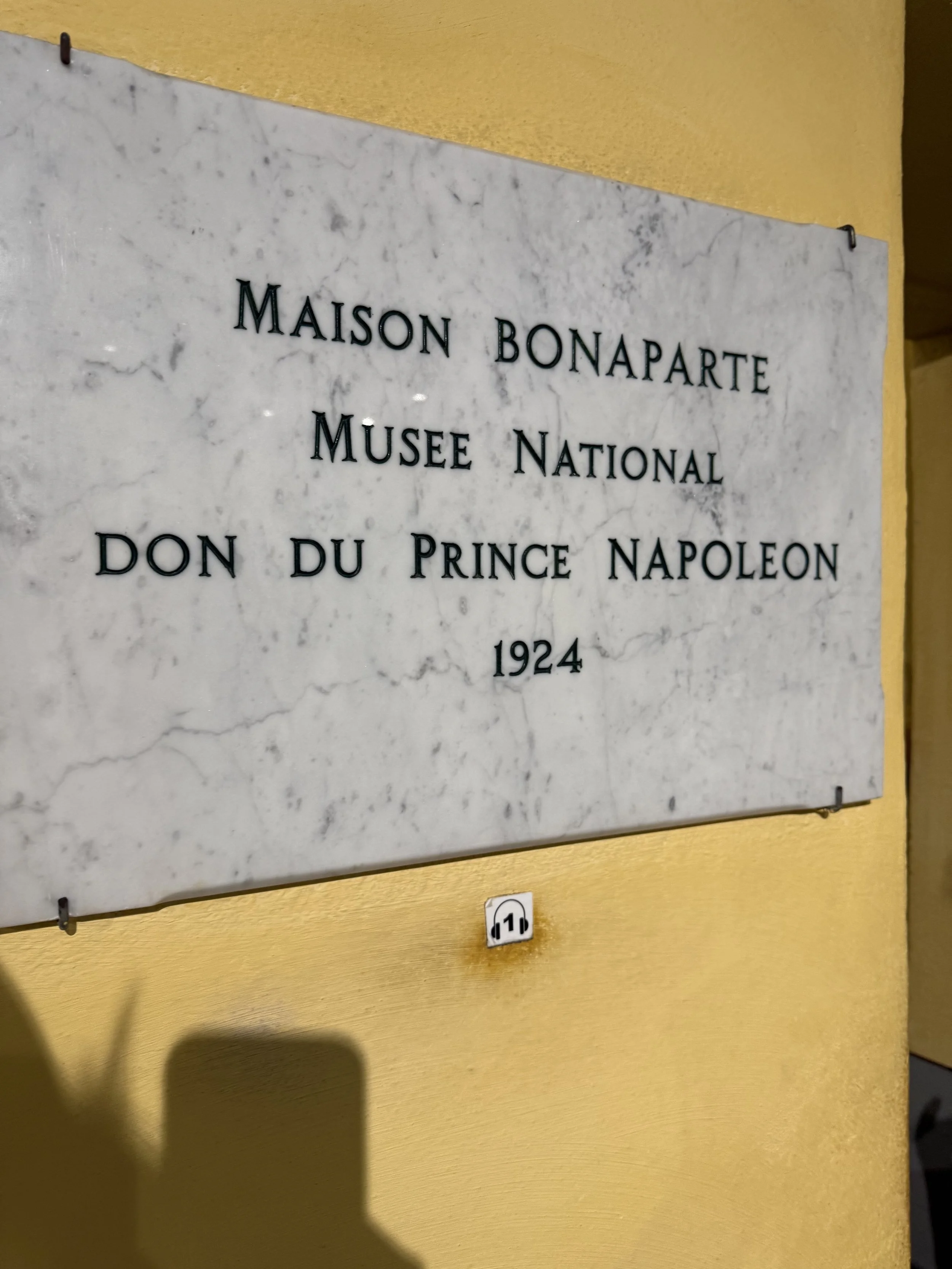
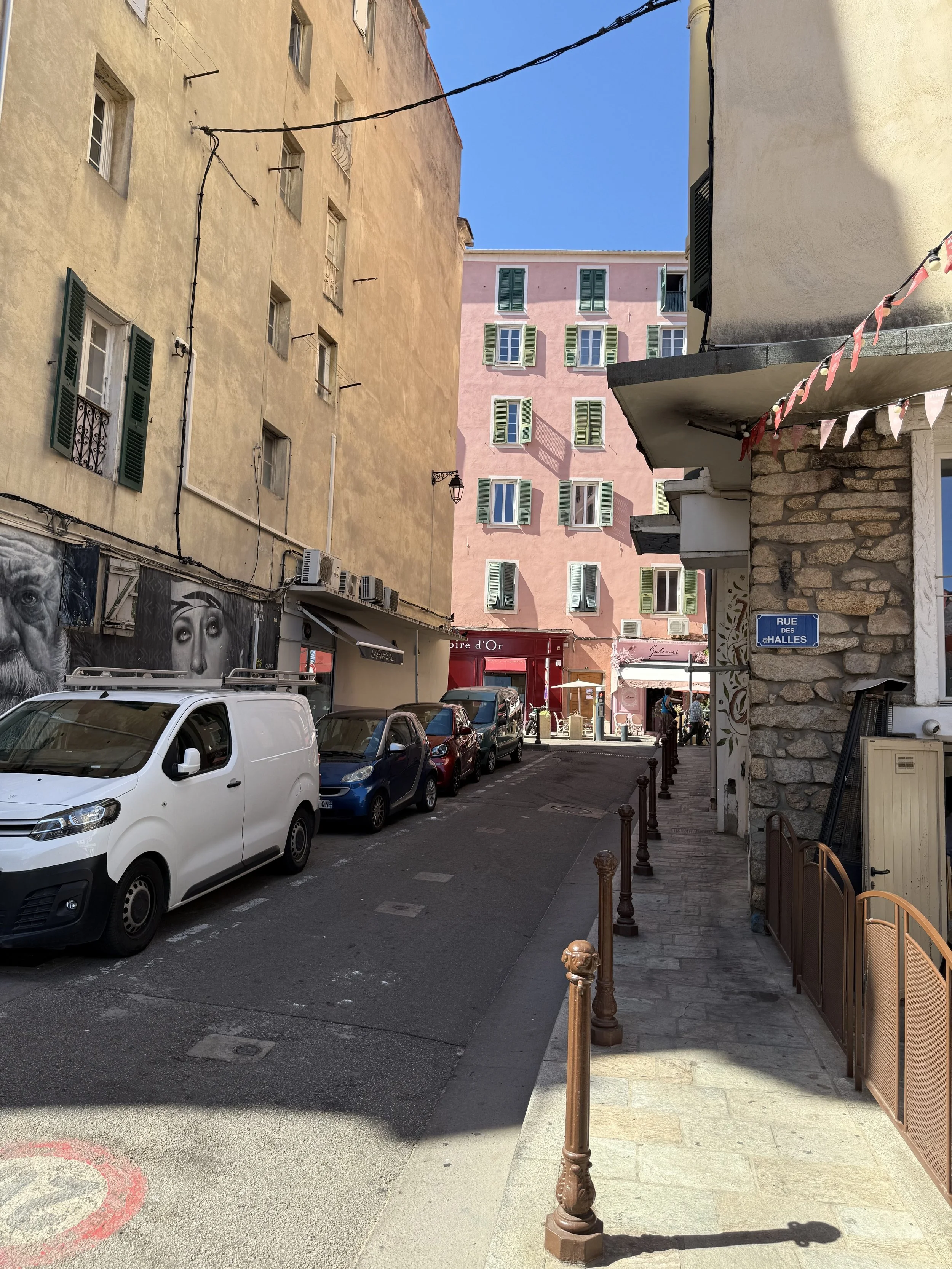
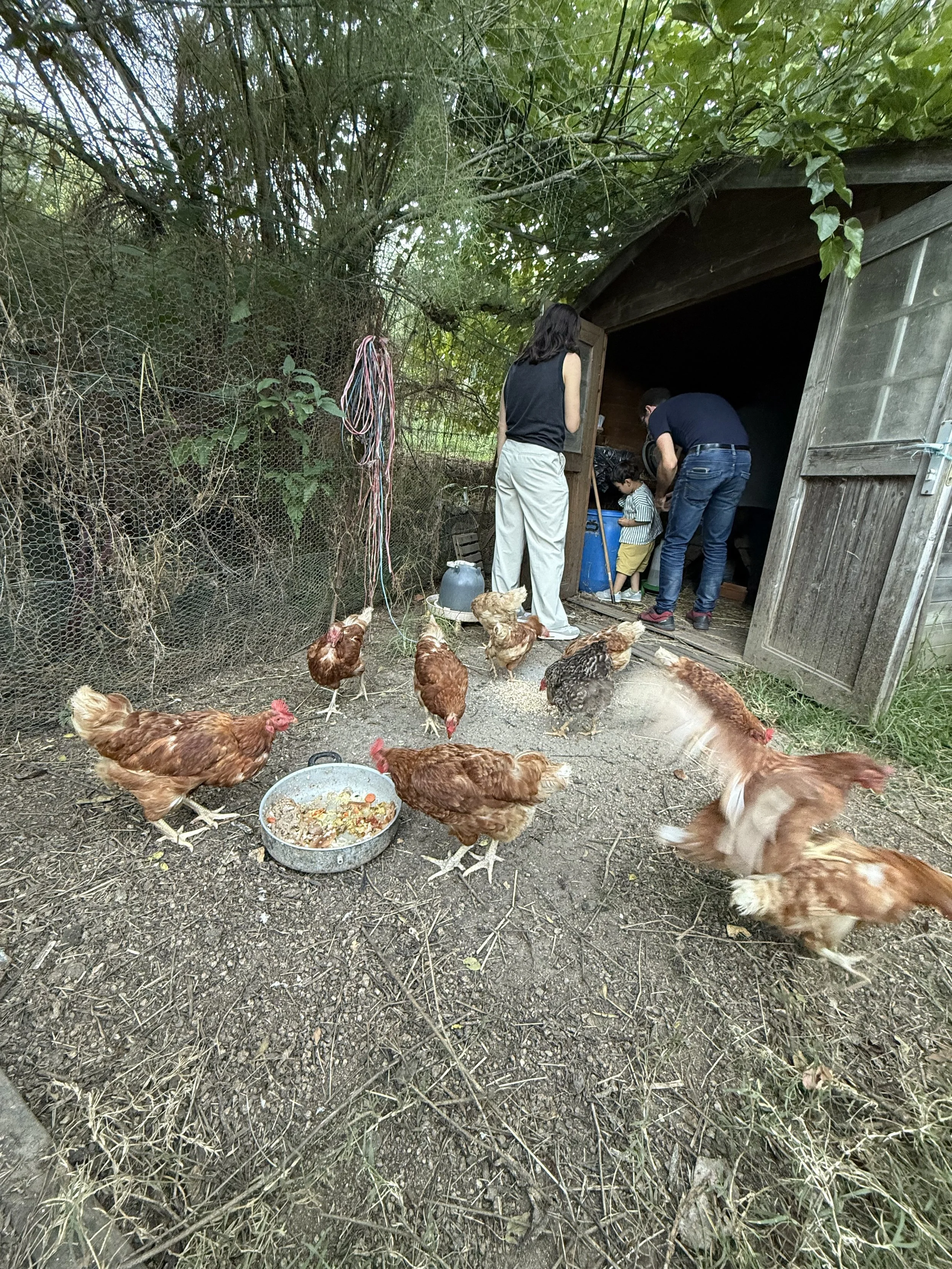
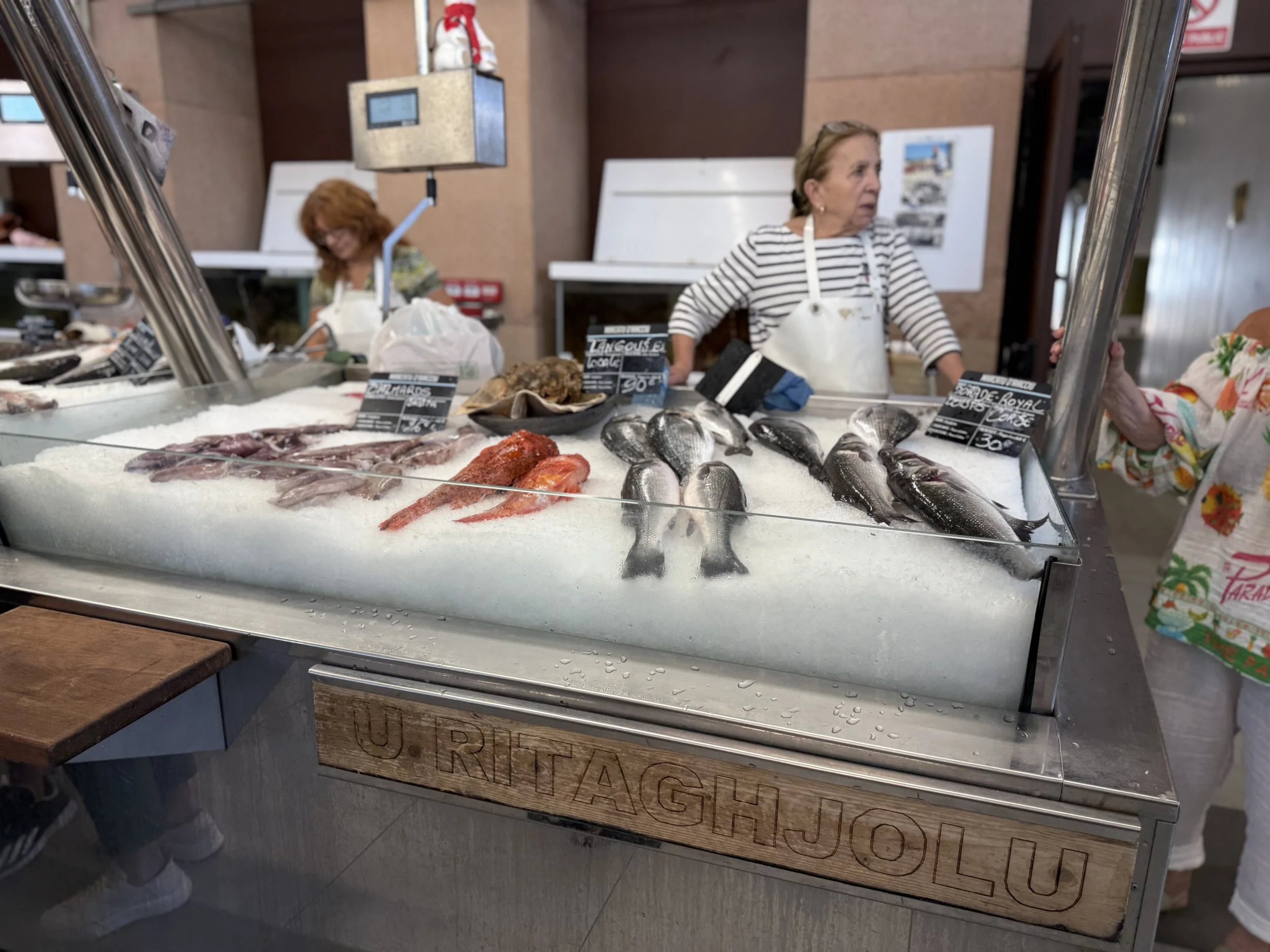
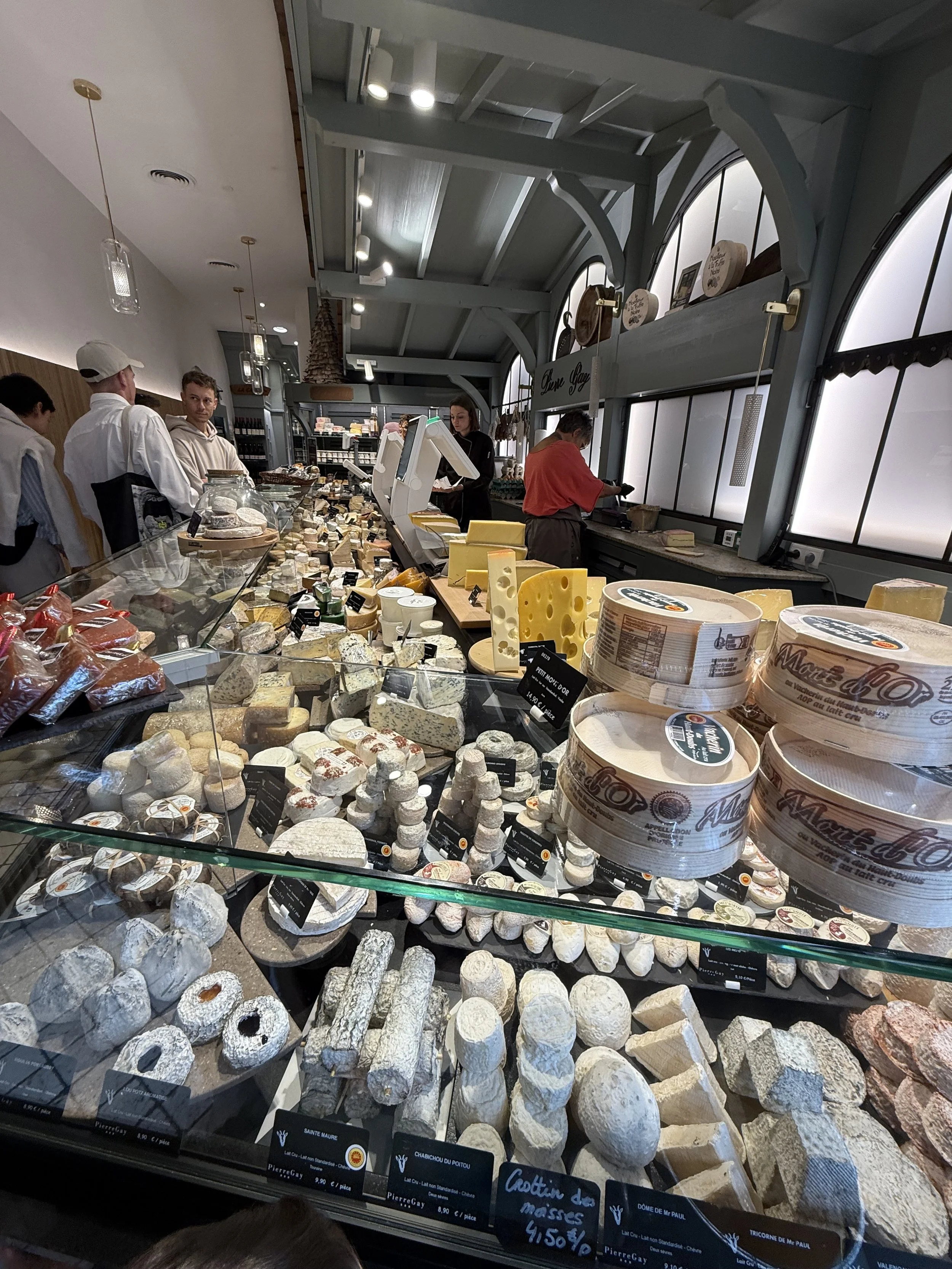
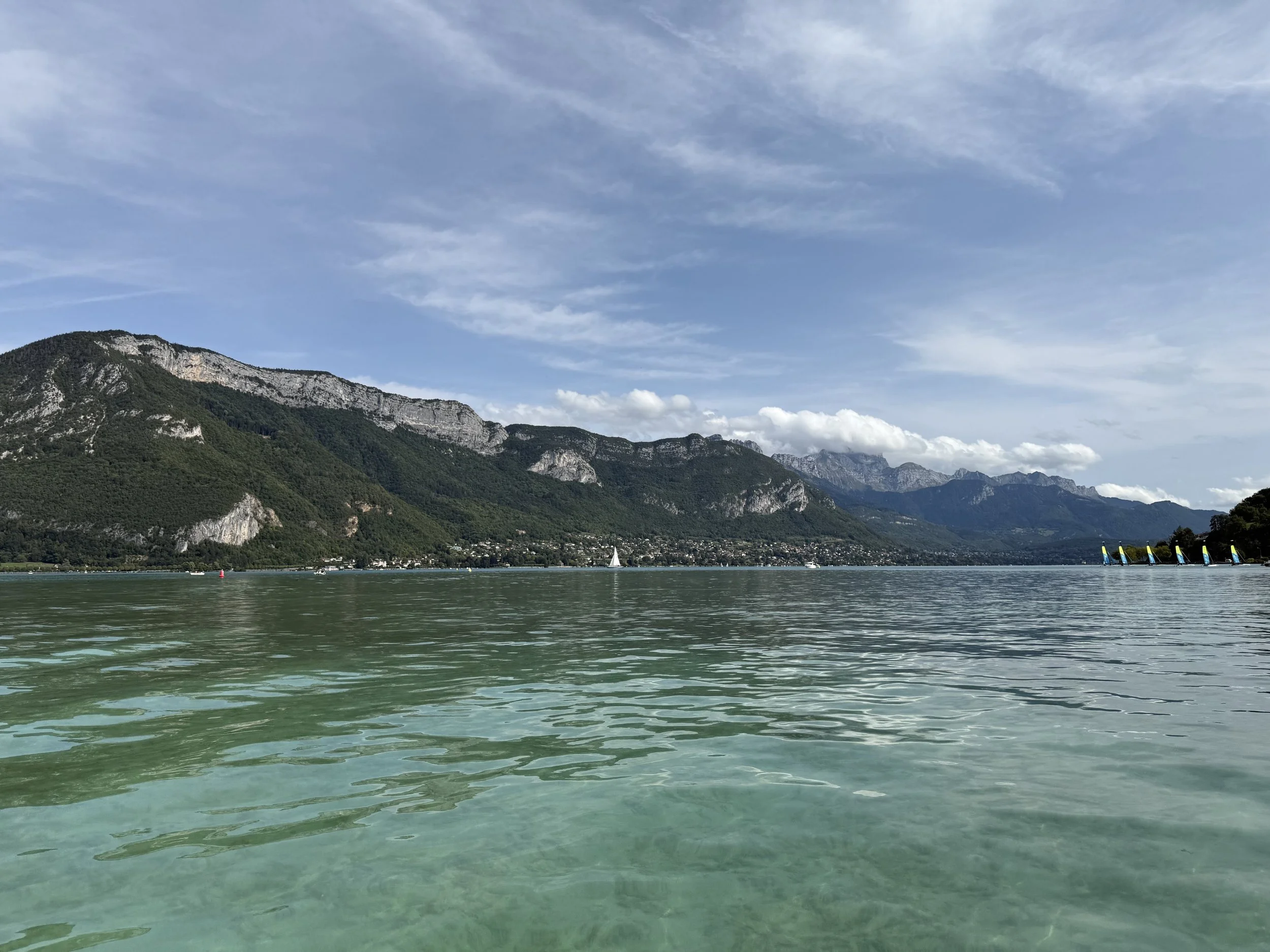
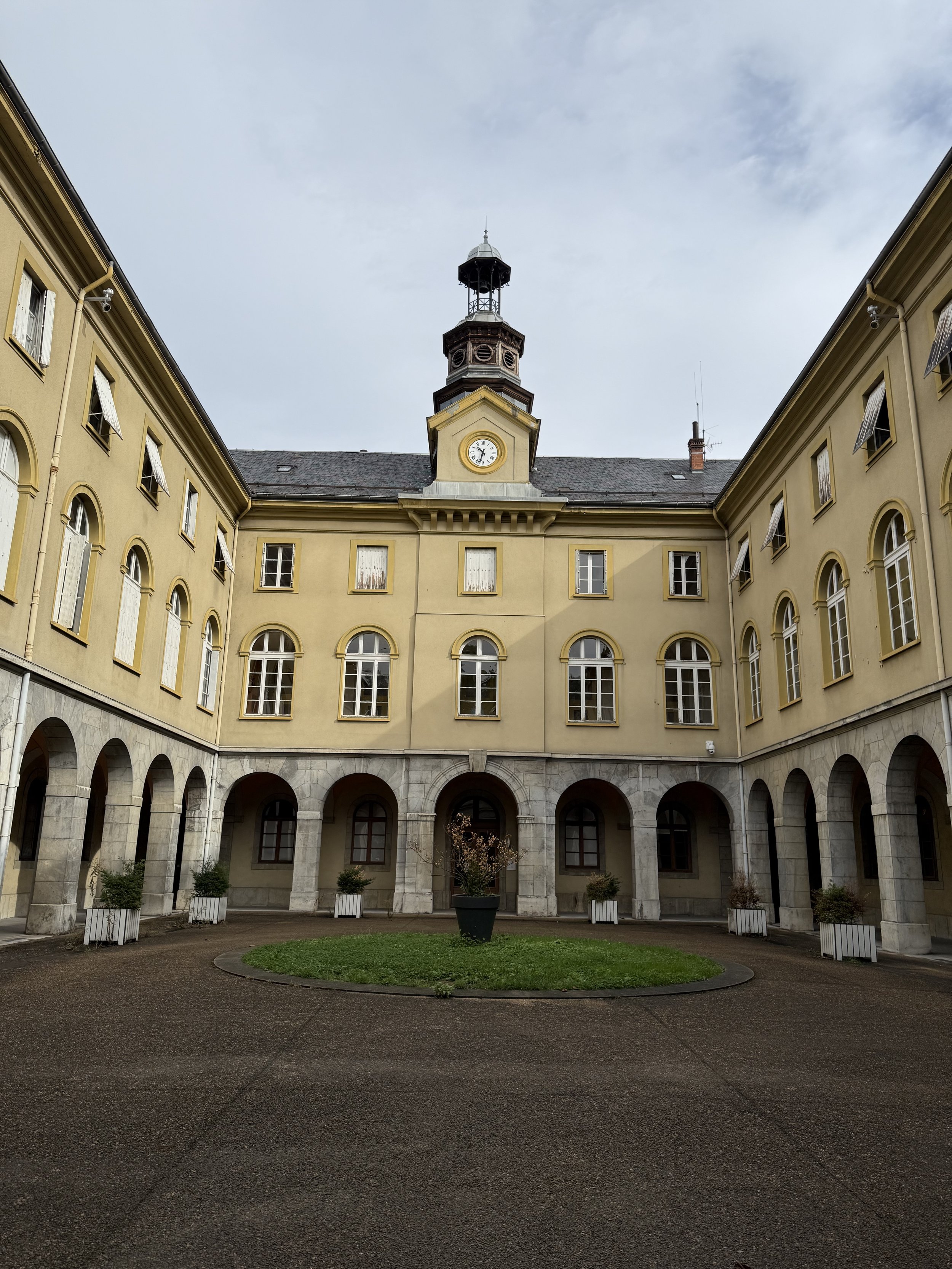
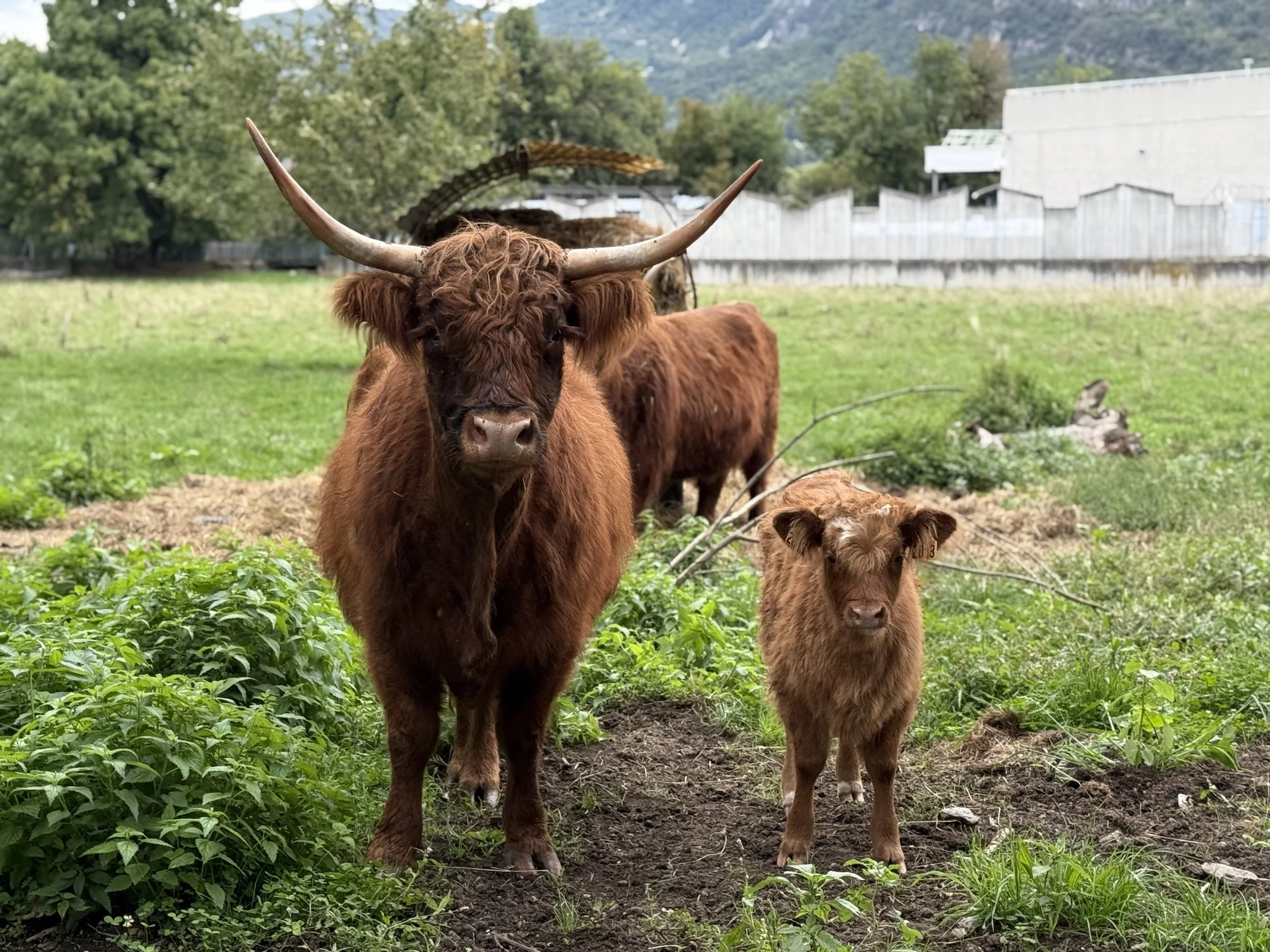
先月のスイスーフランス旅行、最後はパリで締めくくりでした。家族の親族や知人、友人宅に短期滞在しながらの移動でした。子供に合わせた旅程でゆっくりアートを楽しむ時間はなかったですが親切な人々に囲まれ楽しいひと時を過ごせました。


ポストカード
今回の個展限定のポストカードはGallery Neutralのオンラインショップでも購入できます。
https://neutralonline-obs.stores.jp/?category_id=68a1470ae2dc7a8352d46a72
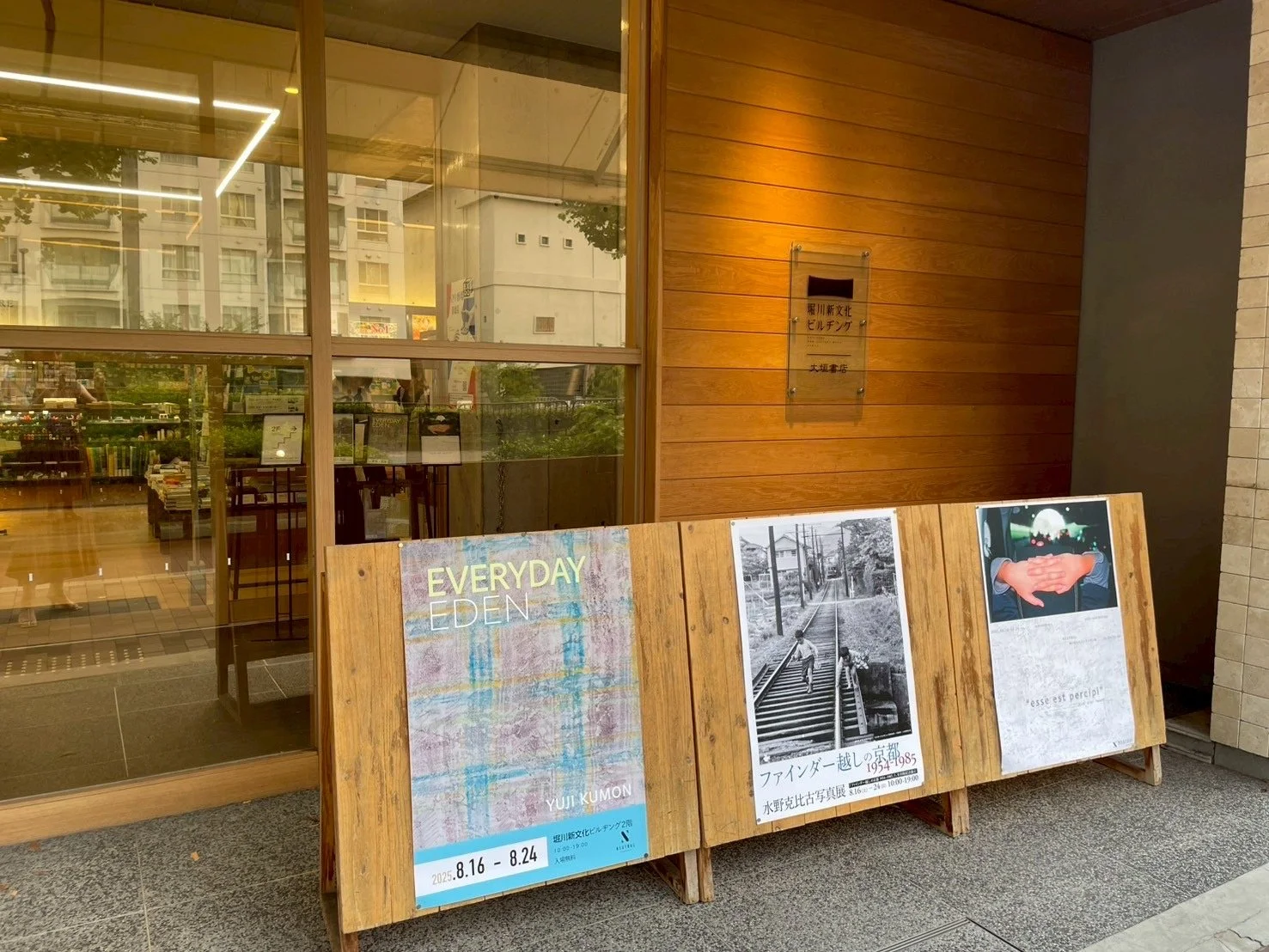
ADF Web Magazineで紹介していただきました。
https://www.adfwebmagazine.jp/en/art/everyday-eden-by-yuji-kumon-at-horikawa-shin-culture-building/